Leçon 16 | 19 Mars 1958
原文 · s5-16-0001
Je voudrais aujourd’hui commencer d’introduire la question des identifications. Pour ceux qui n’étaient pas là la dernière fois, et aussi pour ceux qui y étaient, je rappelle le sens de ce qui a été dit :
今天,我想开始引入认同问题。无论上次缺席还是在场,我都先提醒一下前次所说的意义:
原文 · s5-16-0002
j’ai essayé de ramener l’attention sur les difficultés que pose la notion de la phase phallique, et de montrer que si on éprouve quelque peine à faire entrer le phallus dans une rationalité biologique, ce que FREUD a dégagé de l’expérience prend tout de suite plus de clarté si nous posons que le phallus est pris dans une certaine fonction subjective qui doit remplir un certain rôle, que j’appelle un rôle de signifiant.
我试图重新把注意力引向阳具期观念造成的困难,并表明,如果我们很难把阳具纳入生物学理性,那么,只要提出阳具卷入某种主体功能、必须发挥我所谓的能指作用,弗洛伊德从经验中析出的东西就会立刻变得更清楚。
原文 · s5-16-0003
Et bien entendu, il ne tombe pas du ciel, ce phallus en tant que signifiant. D’un autre côté, il faut bien qu’il ait
当然,作为能指的阳具并不是从天而降。另一方面,它在
原文 · s5-16-0004
dans son origine, qui est une origine imaginaire, quelque propriété, quelque aptitude à remplir cette fonction signifiante qui n’est pas n’importe laquelle, qui est une fonction de signifiant plus spécialement adaptée qu’une autre à ce qui se passe, en somme, dans l’accrochage du sujet humain dans l’ensemble du mécanisme signifiant.
自己的想象起源中,必定具有某种属性、某种履行这种能指功能的能力。这不是任意一种能指功能;在人类主体被钩入整套能指机制时发生的一切中,它比其他东西更适合发挥能指功能。
原文 · s5-16-0005
C’est en quelque sorte un signifiant carrefour, un signifiant vers lequel converge plus ou moins ce qui se passe dans la mise en prise du sujet humain dans le système signifiant pour autant qu’il faut que son désir passe par ce système pour se faire reconnaître et qu’il en est profondément modifié. C’est une donnée expérimentale.
它以某种方式是一个十字路口能指:人类主体被能指系统咬合时发生的一切,或多或少都汇聚于此;因为主体的欲望必须经过这个系统,才能使自己得到承认,并因此受到深刻改变。这是一项经验资料。
原文 · s5-16-0006
Il ressort de cela que ce phallus, nous le rencontrons littéralement à tout bout de champ de notre expérience, de notre expérience du conflit, du drame œdipien. Nous le rencontrons à son entrée dans le drame œdipien
由此可见,我们在自己的经验中、在冲突与俄狄浦斯戏剧的经验中,真正处处都会遇到这个阳具。我们在主体进入俄狄浦斯戏剧时遇见它,
原文 · s5-16-0007
et aux issues du drame œdipien, et même, d’une certaine façon problématique, débordant ce drame œdipien puisque aussi bien on ne peut manquer d’être frappé du problème que pose la présence de ce phallus, et du phallus paternel nommément, dans les fantasmes kleiniens primitifs, pour autant que justement c’est sa présence qui pose la question de savoir dans quel registre allons-nous, ces fantasmes kleiniens, les insérer :
也在俄狄浦斯戏剧的出口遇见它;甚至以某种成问题的方式看见它溢出这部戏剧。因为我们不能不被如下问题触动:阳具——特别是父亲的阳具——出现在克莱因式原始幻想中;恰恰是它的在场提出问题:我们要把这些克莱因式幻想安置在哪个界域?
原文 · s5-16-0008
- dans le registre que Melanie KLEIN elle-même a proposé, c’est-à-dire dans l’hypothèse d’une sorte d’œdipe ultra précoce ?
- 是安置在梅兰妮·克莱因本人提出的界域,也就是某种极早期俄狄浦斯的假设中?
原文 · s5-16-0009
- Ou au contraire, en admettant le fonctionnement imaginaire primitif que nous allons classer comme pré-œdipien ?
- 还是相反,承认一种原始想象功能,并把它归为前俄狄浦斯?
原文 · s5-16-0010
La question peut être laissée en suspens, au moins provisoirement. Pour éclairer cette fonction qui se présente ici d’une façon tout à fait générale, justement parce qu’elle se présente essentiellement comme une fonction de signifiant, comme une fonction symbolique, nous devons - avant même de pousser nos formules au dernier terme - voir dans quelle économie signifiante ce phallus est impliqué, autrement dit, examiner ce quelque chose que l’exploration de FREUD a articulé sous cette forme : à la sortie de l’œdipe, après le refoulement du désir de l’œdipe, le sujet sort nouveau.
至少暂时可以悬置这个问题。这里的功能以完全一般的方式显现;恰恰因为它本质上作为能指功能、作为象征功能显现,在把我们的公式推进到最终词项以前,我们必须先看阳具卷入了何种能指经济。换言之,要考察弗洛伊德的探索以如下形式分节的某种东西:离开俄狄浦斯时,在俄狄浦斯欲望被压抑以后,主体以新的面貌走出来。
原文 · s5-16-0011
Et pourvu de quoi ? La réponse est : d’un idéal du moi. Dans l’œdipe normal, le refoulement qui résulte du franchissement, du passing, de l’au-delà de l’œdipe, de la sortie de l’œdipe, a pour effet que dans le sujet s’est constitué quelque chose qui est vis-à-vis de lui dans un rapport à proprement parler ambigu.
他带着什么?答案是:带着一个自我理想。在正常俄狄浦斯中,越过、通过俄狄浦斯之外并离开俄狄浦斯所造成的压抑,产生如下效应:主体内部构成某种同他本人具有严格说来含混关系的东西。
原文 · s5-16-0012
Là-dessus, il convient que nous procédions encore pas à pas, parce qu’on va toujours trop vite.
在这里,我们仍须一步一步推进,因为人们总是走得太快。
原文 · s5-16-0013
Il y a une chose en tout cas qui se dégage d’une façon univoque - j’entends : d’une seule voix - de ce que FREUD aborde, et là-dessus tous les auteurs ne peuvent pas ne pas poser comme formule minimale que c’est une identification distincte de l’identification du moi, si tant est qu’ici, c’est dans un certain rapport du sujet à l’image du semblable que nous pouvons voir se dégager la structure qui s’appelle le moi. Celle de l’idéal du moi pose un problème qui lui est propre : il ne se propose pas - c’est presque une lapalissade de le dire - comme un moi idéal.
无论如何,有一点从弗洛伊德所处理的东西中单义地——我的意思是异口同声地——析出;所有作者都不得不把以下内容设为最低限度公式:这是一种不同于自我认同的认同。如果我们能在主体同同类形象的某种关系中,看见所谓自我的结构析出,那么,自我理想的结构就提出它自身的问题。它并不——这样说几乎是同义反复——呈现为一个理想自我。
原文 · s5-16-0014
J’ai souvent souligné que les deux termes sont distincts chez FREUD dans son article même sur le narcissisme,
我经常强调,弗洛伊德本人谈自恋的文章中,这两个词项彼此不同;
原文 · s5-16-0015
et là-dessus, regardons bien avec une loupe : nous nous apercevrons que dans le texte c’est très difficile à distinguer. Ce n’est pas exact d’abord, mais le serait-ce même, que nous devrions par convention nous apercevoir qu’il n’y a aucune synonymie entre ce qui est attribué dans les textes de FREUD pris dans l’expérience à la fonction de l’idéal du moi, et le sens que nous pouvons donner à l’image du moi, si exaltée que nous la supposions quand nous en faisons une image idéale, ce à quoi le sujet s’identifie comme étant :
让我们拿放大镜仔细看看:我们会发现,文本中很难区分它们。首先,这种说法并不准确;但即使准确,按照约定,我们也应当看到:弗洛伊德基于经验的文本赋予自我理想功能的东西,同我们能够赋予自我形象的意义之间没有任何同义关系。即使我们把后者提升到极高位置,变成一个理想形象,主体在那里认同于:
原文 · s5-16-0016
- composition de réussite de lui-même,
- 自身成功的合成形态;
原文 · s5-16-0017
- modèle, si l’on peut dire, de lui-même, ce dans quoi le sujet se confond, se rassure lui-même de son entièreté.
- 可以说是自身的模型;主体同它混同,借此确信自身完整。
原文 · s5-16-0018
Par exemple, ce qui est menacé, ce qui est atteint quand nous faisons allusion aux nécessités de réassurance narcissique, aux craintes d’atteintes narcissiques au corps propre, ce quelque chose, nous pouvons le mettre au registre de ce moi idéal.
例如,当我们提到自恋性安慰的必要,提到对自身身体受到自恋损伤的恐惧时,受到威胁、遭到触及的某种东西,可以归入这个理想自我界域。
原文 · s5-16-0019
L’idéal du moi, nous le savons - puisqu’il intervient dans des fonctions qui sont souvent des fonctions dépressives, voire agressives à l’égard du sujet - FREUD le fait intervenir dans des formes diverses de dépression. Vous savez qu’il a tendance, à la fin du chapitre qui dans « Psychologie des masses et analyse du moi » s’appelle : « Un degré de développement du moi : l’Idéal du moi » - c’est précisément la première fois qu’il introduit d’une façon décisive et articulée cette notion d*’idéal du moi -* qu’il a tendance donc à mettre toutes les dépressions au chef et au registre, non pas de l’idéal du moi, mais de quelque rapport vacillant, de quelque rapport conflictuel entre le moi et l’idéal du moi.
至于自我理想,我们知道——因为它在经常具有抑郁、甚至对主体具有攻击性的功能中介入——弗洛伊德让它介入多种抑郁形式。你们知道,在《群体心理学与自我分析》中题为《自我发展的一个阶段:自我理想》的章节结尾——这正是他第一次以决定性、经过分节的方式引入自我理想概念——他倾向于把所有抑郁都归入某种动摇或冲突的关系;不是归在自我理想名下,而是归在自我与自我理想之间的关系下。
原文 · s5-16-0020
Admettons qu’on peut prendre tout ce qui se passera sous ce registre dépressif, ou au contraire sous celui des relations d’exaltation, sous l’angle, si l’on peut dire, d’une hostilité ouverte entre les deux instances - de quelque instance
让我们承认,无论发生在这种抑郁界域中的一切,还是相反发生在亢奋关系中的一切,都可以从两个代理机构之间公开敌对的角度来把握——无论是哪一方
原文 · s5-16-0021
que parte la déclaration des hostilités, que ce soit le moi qui s’insurge ou que l’idéal du moi devienne trop sévère - avec ce que comporte de conséquences et de contrecoups tout déséquilibre de ce rapport excessif.
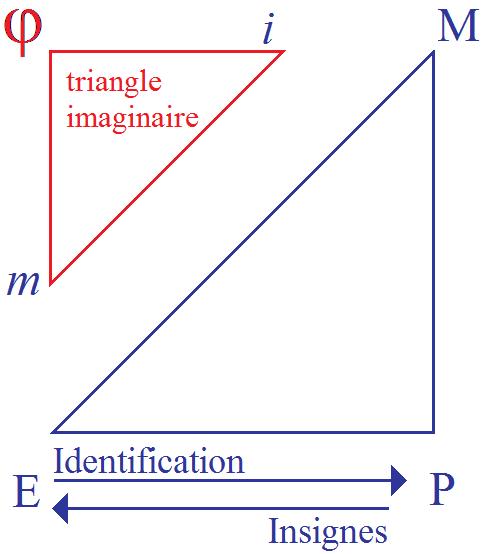
宣战,是自我奋起反抗,还是自我理想变得过度严苛——这种过度关系中的任何失衡都会带来后果与反作用。
原文 · s5-16-0022
Donc, cet idéal du moi, en tout cas, est quelque chose qui nous propose son problème. On nous dit : l’idéal du moi sort d’une identification, d’une identification tardive liée à la relation en tout cas tierce qui est celle de l’œdipe, une relation où se mêlent d’une façon complexe les relations de désir avec des relations de rivalité, d’agression, d’hostilité.
所以,无论如何,这个自我理想向我们提出了它自己的问题。有人告诉我们:自我理想来自一种认同,一种较晚的认同;它至少同俄狄浦斯的第三项关系相连。在这种关系中,欲望关系同竞争、攻击与敌意的关系复杂交织。
原文 · s5-16-0023
Quelque chose se joue, et l’issue du conflit est l’objet d’une balance. S’il est incertain, le débouché du conflit se propose en tout cas comme ayant entraîné une transformation subjective. Et l’introduction, l’introjection dit-on, à l’intérieur d’une certaine structure de ce quelque chose qui, par rapport au sujet, se trouve être désormais une partie de lui–même tout en ayant néanmoins conservé une certaine relation avec un objet extérieur, les deux choses y sont.
某种事情在那里展开,冲突的结局被置于天平。如果结局未定,冲突的出口至少呈现为已经造成主体转化。有人说,某种东西被引入、被内投到一个特定结构内部;相对于主体,它从此成为主体自身的一部分,却仍同一个外部客体维持某种关系——两方面都在那里。
原文 · s5-16-0024
Et ici nous touchons du doigt ce que l’analyse nous apprend : que ne peuvent pas être séparées intra-subjectivité et inter-subjectivité. C’est-à-dire qu’à l’intérieur du sujet, dans des fonctions qu’il emmène partout avec lui-même, et quelles que soient les modifications qui interviennent dans son entourage et son milieu, ce qui est acquis comme idéal du moi est bien quelque chose qui est dans le sujet à la façon dont l’exilé emmène sa patrie à la semelle de ses souliers : son idéal du moi lui appartient bien, il est quelque chose d’acquis.
这里,我们切实触及分析教给我们的东西:主体内关系与主体间关系不能分离。也就是说,在主体内部,在他无论走到哪里都随身携带的功能中,无论周围与环境如何改变,作为自我理想取得的东西确实以某种方式存在于主体之内,就像流亡者把祖国带在鞋底上。自我理想确实属于他,是一种已经取得的东西。
原文 · s5-16-0025
Ce n’est pas un objet, c’est quelque chose qui est en plus dans le sujet. Je veux dire que lorsqu’on insiste sur la notion qu’intra-subjectivité et inter-subjectivité doivent rester liées dans tout cheminement analytique correct et qu’on parle des relations entre les instances dont il s’agit, il est prouvé par les usages courants, par les moindres nécessités du langage, que lorsque nous parlons des rapports entre moi et idéal du moi, on dit bien ordinairement dans l’analyse qu’ils peuvent être bons ou mauvais, conflictuels ou accordés, mais on laisse entre parenthèses ou on n’achève pas de formuler ce qui doit être formulé : c’est que ces rapports sont structurés, articulés comme des rapports intersubjectifs.
它不是一个客体,而是主体内部多出来的某种东西。我的意思是,当我们坚持在一切正确分析进路中,主体内关系与主体间关系必须保持相连,并谈论相关代理机构之间的关系时,日常用法与语言最微小的必然性已经证明:分析中谈到自我与自我理想之间的关系时,人们通常说这种关系可以良好或恶劣、冲突或协调;但人们把必须说出的东西放在括号里,或者没有完成表述:这些关系像主体间关系一样得到结构、得到分节。
原文 · s5-16-0026
À l’intérieur du sujet se reproduit - et bien entendu, vous le voyez bien, ne peut se reproduire qu’à partir d’une organisation signifiante - le même mode de rapports qui existe entre des sujets. Nous ne pouvons pas penser, encore que nous le disions, que cela puisse aller en le disant, que le surmoi est effectivement quelque chose de sévère qui guette le moi au tournant pour lui faire d’atroces misères.
主体之间存在的同一种关系模式,在主体内部得到重现;当然,你们很清楚,它只有从一种能指组织出发才能重现。尽管我们会这样说,却不能以为只要说出来就够了:仿佛超我确实是某种严厉的东西,在拐角盯住自我,要让它受尽可怕折磨。
原文 · s5-16-0027
Ce n’est pas une personne. Il fonctionne à l’intérieur du sujet comme un sujet qui se comporte par rapport à un autre sujet, et justement en ceci qu’il y a un rapport entre les sujets qui n’implique pas pour autant l’existence de la personne. Il suffit des conditions introduites par l’existence, par le fonctionnement comme tel du signifiant, pour que
它不是一个人。它在主体内部像一个主体那样运作,相对于另一个主体行事;恰恰因为主体之间可以存在一种关系,而这并不意味着人格存在。只须能指的存在与作为能指的运作所引入的条件,
原文 · s5-16-0028
des rapports intersubjectifs puissent s’établir.
主体间关系就能建立起来。
原文 · s5-16-0029
C’est à cette intersubjectivité, à l’intérieur donc de la personne vivante, que nous avons affaire dans l’analyse, c’est dans cette intersubjectivité que nous devons nous faire une idée de ce qu’est cette fonction de l’idéal du moi. Vous le savez, vous n’irez pas la trouver, cette fonction, dans un dictionnaire, et on ne vous en donnera pas une réponse univoque. Vous y trouverez les plus grands embarras. Cette fonction n’est pas assurément confondue avec celle du surmoi. Elle est venue presque ensemble, certes, dans la terminologie, mais elle s’en est, de ce fait même, distinguée.
分析所处理的,正是活生生的人格内部的这种主体间性;我们必须在这种主体间性中构想自我理想功能。你们知道,在词典里找不到这种功能,也不会得到单义答案;你们会遇到最大的困难。这项功能当然不等同于超我。它们在术语中几乎同时出现,但也正因如此彼此区分。
原文 · s5-16-0030
Et elle est également en partie confondue, elle peut avoir les mêmes instances, néanmoins elle est davantage orientée vers quelque chose qui dans le désir du sujet, joue une fonction typifiante qui, peut-être, paraît bien liée à l’assomption du type sexuel, ni plus ni moins, en tant qu’il est impliqué dans toute une économie, disons même à l’occasion sociale, dans l’assomption des fonctions masculines et féminines, non pas simplement en tant qu’elles aboutissent à l’acte nécessaire pour que reproduction s’ensuive, mais également pour tout un mode de relations entre l’homme et la femme. Quel est l’intérêt des acquis de l’analyse sur ce sujet ? C’est d’avoir pu pénétrer dans quelque chose qui ne se montre en quelque sorte qu’à la surface et, par ces résultats, d’y avoir pénétré par le biais des cas où le résultat est manqué. Et c’est précisément
它也有一部分相混,可能拥有相同代理机构;不过,它更多朝向某种在主体欲望中发挥赋型功能的东西。它似乎同承担性别类型密切相连,仅此而已;而性别类型又卷入一整套经济——有时甚至可以说是社会经济——卷入对男性与女性功能的承担。这里不只涉及完成繁殖所必需的行为,也涉及男人与女人之间的整套关系模式。分析在这个问题上的成果有何意义?它能够深入某种以某种方式只显现在表面的东西,并通过结果深入其中;也就是从结果失败的病例侧面进入。这正是
原文 · s5-16-0031
la méthode bien connue, dite psychopathologique, qui consiste à nous décomposer, à nous désarticuler une fonction
人们熟知的所谓精神病理学方法:它把一种功能分解、拆散,
原文 · s5-16-0032
en la saisissant là où elle s’est trouvée insensiblement décalée, déviée, là où, de ce fait même, ce qui s’insère d’habitude plus ou moins normalement dans un complément d’entourage, nous apparaît avec ses racines, et ses arêtes.
在它不知不觉发生错位、偏离之处把握它;通常或多或少正常嵌入某种环境补足的东西,因此在我们面前显露其根茎与棱角。
原文 · s5-16-0033
Je voudrais… avec l’expérience que nous avons prise de l’incidence en partie manquée, ou que nous supposons provisoirement manquée, de l’identification d’un certain type de sujet avec ce qu’on peut appeler leur type régulier, leur type satisfaisant : nous allons voir là comment nous choisissons, parce qu’il faut bien choisir …je voudrais prendre un cas particulier. Prenons le cas des femmes, de ce qu’on a appelé le masculinity complex, le complexe de masculinité, de la façon dont on l’articule avec l’existence de la phase phallique.
我想……我们已经积累一种经验:某一类型主体同其所谓正规类型、令人满意的类型之认同,部分失败,或者我们暂时假定它失败。现在我们将从中看见自己如何选择,因为我们总得作出选择……我想取一个特殊病例。让我们考察女人以及所谓 masculinity complex,即男性气质情结,考察它如何同阳具期的存在相互分节。
原文 · s5-16-0034
Nous pouvons le faire parce que, de l’existence de cette phase phallique, je vous ai montré d’abord le côté problématique. Y a-t-il là quelque chose d’instinctuel ? Une sorte de vice du développement instinctuel, celui qui fait qu’en quelque sorte, nous dirait-on, l’existence du clitoris serait à elle seule la responsable, la cause de ce qui traduirait au bout de la chaîne l’existence du complexe de masculinité ?
我们之所以能这样做,是因为我首先向你们展示了阳具期存在的成问题一面。这里有某种本能性的东西吗?是否存在某种本能发展的缺陷,以至有人会告诉我们:单是阴蒂的存在,就要为整个链条尽头表现出的男性气质情结负责、成为其原因?
原文 · s5-16-0035
D’ores et déjà nous sommes préparés à comprendre que ça ne doit pas être aussi simple et qu’aussi bien, si on y regarde de près, dans FREUD ce n’est pas aussi simple. Et en tout cas, le débat qui a suivi est fait pour nous montrer que ce n’est pas aussi simple, même si ce débat était mal inspiré, à savoir s’il partait en quelque sorte de pétitions de principe, à savoir que ce ne pouvait pas être comme cela. Il ne reste pas moins non questionnable qu’il a vu :
我们从一开始就已经准备好理解,事情不会如此简单;若仔细察看,弗洛伊德那里也没有这么简单。无论如何,后来的论争足以向我们表明它不那么简单,即使这场论争的灵感有误——也就是说,它以某种预先断定结论为出发点,认为事情不可能如此。但无可质疑的是,这场论争看见了:
原文 · s5-16-0036
- que ce n’était pas comme cela,
- 事情不是如此;
原文 · s5-16-0037
- que ce n’était pas purement et simplement de la question d’un détour exigé dans le développement féminin par une anomalie naturelle ou simplement par la fameuse bisexualité qu’il s’agit,
- 问题并不纯粹只在于一种自然异常或著名双性性,迫使女性发展发生绕路;
原文 · s5-16-0038
- que c’est assurément plus complexe,
- 事情无疑更加复杂;
原文 · s5-16-0039
- que nous ne sommes pas pour autant capables tout de suite et simplement de formuler ce que c’est, mais qu’assurément ce que nous voyons, c’est que dans la vicissitude de ce qui se présente comme complexe de masculinité chez la femme il y a quelque chose qui nous montre d’ores et déjà une connexion de cet élément phallique, un jeu, un usage de cet élément phallique qui, en tous les cas, mérite d’être retenu, puisque aussi bien ce pour quoi un élément peut être mis en usage est tout de même de nature à nous éclairer sur ce qu’il est, cet élément, dans son fond.
- 我们并不能因此立刻简单表述它是什么;但我们确实看到,在女人所谓男性气质情结的变迁中,有某种东西从一开始就向我们显示这个阳具要素的联系、游戏与用法。这至少值得保留,因为一个要素能够被用于什么,毕竟足以从根本上照亮这个要素是什么。
原文 · s5-16-0040
Que nous disent donc les analystes - spécialement les analystes féminins - qui ont abordé le sujet ? Nous ne dirons pas aujourd’hui tout ce qu’ils nous disent. Je me rapporte tout spécialement à deux de ces analystes qui sont à l’arrière-plan de la discussion jonesienne du problème, Hélène DEUTSCH et Karen HORNEY. Ceux d’entre vous qui lisent l’anglais pourront se reporter, d’une part, à un article d’Hélène DEUTSCH qui s’appelle The significance of masochism in the mental life of women [I.J.P. 1930, XI] et d’autre part à un article de Karen HORNEY.
那么,处理这个主题的分析家——特别是女性分析家——告诉我们什么?今天我们不会讲她们告诉我们的全部内容。我特别参照两位处在琼斯式问题讨论背景中的分析家:海伦娜·多伊奇与卡伦·霍妮。你们中能读英语的人,可以参阅海伦娜·多伊奇的《受虐狂在女性心理生活中的意义》[《国际精神分析杂志》,1930 年,第 11 卷],以及卡伦·霍妮的一篇文章。
原文 · s5-16-0041
Prenons Karen HORNEY1. Que nous dit-elle ? Karen HORNEY, quoi qu’on puisse penser des formulations des derniers termes auxquels elle a abouti dans la théorie comme dans la technique, a été sur le plan clinique, dès le début et jusqu’au milieu de sa carrière, incontestablement une créatrice qui a vu des choses qui gardent toute leur valeur. Quoi qu’elle ait pu en déduire de plus ou moins affaibli concernant la situation anthropologique de la psychanalyse, il n’en reste pas moins que ses découvertes gardent toute leur valeur.
以卡伦·霍妮[注1]为例。她告诉我们什么?无论我们如何看待她后来在理论和技术上得出的最后表述,从职业开端直至中期,她在临床层面无疑是一位富有创造力、看见了一些至今仍保有全部价值之物的人。无论她后来从中推导出怎样较为薄弱的精神分析人类学处境,她的发现仍然保有全部价值。
[注1] 卡伦·霍妮:《女性阉割情结的发生》(“On the Genesis of the Castration Complex in Women”),《国际精神分析杂志》第 5 卷,1924 年。
原文 · s5-16-0042
Que met-elle en valeur dans cet article sur le complexe de castration ? Ce qu’elle met en valeur peut se résumer en ceci :
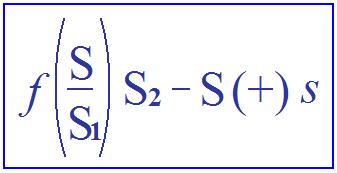
她在这篇《论阉割情结》中凸显了什么?可以概括如下:
原文 · s5-16-0043
elle remarque la liaison, l’analogie clinique, de formation chez la femme de tout ce qui s’ordonne autour de l’idée de la castration avec tout ce que cela comporte de résonances, de traces cliniques dans ce que le sujet en analyse articule à proprement parler de revendications de l’organe comme de quelque chose qui lui manque. Elle montre par une série d’exemples cliniques - et il convient que vous vous reportiez à ce texte - qu’il n’y a pas de différence de nature : les cas sont dans la continuité insensible de ceux qui se présentent comme certains types d’homosexualité féminine où ce à quoi s’identifie le sujet dans une certaine position à l’endroit de son partenaire, c’est à l’image paternelle.
她注意到,女人身上一切围绕阉割观念组织起来的形成,同主体在分析中严格说来把器官作为自己欠缺之物所提出的种种要求之间,存在联系与临床类比;后者包含各种回响与临床痕迹。她通过一系列临床例子表明——你们应当参阅原文——两者没有性质差异:这些病例同某些女性同性恋类型处在不知不觉的连续谱上;在那里,主体在面对伴侣的某个位置上所认同的是父亲形象。
原文 · s5-16-0044
Les temps sont composés de la même façon, les fantasmes, les rêves, les inhibitions, les symptômes sont les mêmes. Il semble qu’il s’agisse d’une forme, on ne peut même pas dire atténuée de l’autre, simplement elle a ou n’a pas dépassé une certaine frontière, laquelle elle-même reste incertaine. Le point sur lequel, à ce propos, Karen HORNEY se trouve mettre l’accent est celui-ci : ce qui se passe pour ces cas-là nous incite à concentrer notre attention sur un certain moment du complexe d’Œdipe, qui n’est pas le premier, qui n’est même pas au milieu, qui est très loin vers la fin puisqu’il suppose déjà atteint ce moment où non seulement la relation au père est constituée, mais où elle est si bien constituée qu’elle se forme chez le sujet petite fille sous l’aspect d’un désir exprès du pénis paternel, de quelque chose, nous dit-on et nous souligne-t-on à très juste titre, qui implique donc une reconnaissance de cette réalité du pénis :
阶段的构成方式相同,幻想、梦、抑制和症状都一样。两者仿佛是一种形式;甚至不能说一个是另一个的减弱版,只能说它越过或没有越过某道本身仍不确定的界线。在这里,卡伦·霍妮把重音放在如下点上:这些病例中发生的事情,促使我们把注意力集中于俄狄浦斯情结的某个时刻。它不是最初,也不在中段,而是非常接近终点;因为它假定已经抵达这样一个时刻:不但同父亲的关系已经构成,而且构成得如此充分,以至在女童主体身上形成了明确欲望父亲阴茎的形式。人们非常正确地告诉并强调我们,这意味着对阴茎这个现实的承认:
原文 · s5-16-0045
- non pas même fantasmatique,
- 甚至不是幻想中的阴茎;
原文 · s5-16-0046
- non pas même en général,
- 甚至不是一般阴茎;
原文 · s5-16-0047
- non pas dans cette demi lumière ambiguë qui nous fait à tout instant nous demander ce que c’est que le phallus sur ce plan-là, sur le plan de la question : est-il imaginaire ou ne l’est-il pas ?
- 也不在那种含混的半明半暗中——在这个层面,我们不断追问阳具究竟是什么:它是想象的,还是不是?
原文 · s5-16-0048
Et bien entendu, dans sa fonction centrale il implique cette existence imaginaire, ce phallus dont à diverses phases du développement de cette relation le sujet féminin peut, envers et contre tout, maintenir qu’il le possède, tout en sachant fort bien qu’il ne le possède pas. Il le possède simplement en tant qu’image :
当然,阳具在核心功能中意味着这种想象性存在;在这种关系发展的不同阶段,女性主体即使明明知道自己没有,仍可能不顾一切地坚持自己拥有它。她只是作为形象拥有它:
原文 · s5-16-0049
- soit qu’il l’ait eu dans ce qu’il articule,
- 或者在自己的分节中曾经拥有它;
原文 · s5-16-0050
- soit qu’il doive l’avoir, comme c’est fréquent. Il s’agit bien là d’autre chose, nous dit-on : il s’agit d’un pénis réalisé comme réel, comme étant, comme tel, attendu.
- 或者像经常发生的那样,应当拥有它。
有人告诉我们,这里涉及的完全是另一回事:一根作为真实而实现、作为存在、并因此得到期待的阴茎。
原文 · s5-16-0051
Je ne pourrais même pas avancer cela si déjà je ne vous avais pas, en modulant en trois temps le complexe d’Œdipe, fait remarquer que c’est sous des modes divers qu’il arrive en chacun de ces trois temps, et que le père en tant que possédant le pénis réel est quelque chose qui intervient au troisième temps, je vous l’ai dit, spécialement chez le garçon. Voici les choses parfaitement situées donc chez la petite fille. Que se passe-t-il d’après ce qu’on nous dit ?
如果我此前没有把俄狄浦斯情结调制为三个时刻,并让你们注意父亲在每个时刻以不同样态出现,我甚至无法推进这一说法。我曾告诉你们,作为真实阴茎占有者的父亲在第三个时刻介入,尤其对男孩而言。现在,女童那里的事情也得到完美定位。按照人们的说法,发生了什么?
原文 · s5-16-0052
On nous dit que dans les cas dont il s’agit, c’est de la privation de ce qui est là attendu que va résulter ce phénomène, qui n’est pas inventé par Karen HORNEY, qui est dans le texte de FREUD tout le temps mis en action, qui est cette transformation, ce virage, cette mutation qui fait que ce qui était amour est transformé en identification :
有人告诉我们,在相关病例中,正是剥夺她在这里期待的东西,才会造成这样一个现象。它并非卡伦·霍妮发明,而始终在弗洛伊德的文本中得到运作:某种转化、转向与突变,使原本的爱转化为认同。
原文 · s5-16-0053
- que c’est dans la mesure où le père déçoit une attente donc orientée d’une certaine façon, qui comporte déjà une maturation avancée de la situation,
- 正因为父亲使一种以特定方式定向的期待失望,而这种期待已经意味着情境发展到较成熟阶段;
原文 · s5-16-0054
- que c’est dans la mesure où, par rapport à cette exigence du sujet parvenu en somme, on pourrait le dire « à l’acmé de la situation œdipienne », si justement sa fonction ne consistait pas en ceci qu’elle doit être dépassée, c’est-à-dire que c’est dans son dépassement que le sujet doit trouver cette identification satisfaisante, celle à son propre sexe, …que c’est dans cette mesure donc qu’il se produit ce quelque chose qui reste et qui est articulé comme tel, comme un problème, comme posant un mystère.
- 正因为主体面对这项要求,已经可以说抵达“俄狄浦斯情境的顶点”——若其功能不恰恰要求它被越过;也就是说,主体必须在越过它时找到令人满意的认同,即对自己性别的认同——
……正是在这个程度上,某种始终留存并作为问题、作为谜得到分节的东西发生。
原文 · s5-16-0055
Dans FREUD lui-même, il est souligné que ce jeu que nous admettons comme étant la possibilité par excellence de la transformation de l’amour en identification est quelque chose qui ne va pas tout seul. Pourtant, cela nous l’admettons dans ce cas pour la première raison que nous constatons : que c’est à ce moment qu’il s’agit de l’articuler, de donner une formule qui nous permette de concevoir ce qu’est cette identification en tant que liée à un moment de privation.
弗洛伊德本人强调,这场游戏——我们把它承认为爱转化成认同的最佳可能性——并不是自然顺畅地发生。不过,我们仍在本例中接受它,首先因为我们观察到:正是在这个时刻,必须把它分节出来,给出一个公式,让我们能够构想这种同剥夺时刻相连的认同是什么。
原文 · s5-16-0056
C’est pourquoi je voudrais essayer de vous donner quelques formules, parce que je considère qu’elles sont utiles pour distinguer ce qui est cela, d’avec ce qui n’est pas cela. En d’autres termes, essayer d’introduire cet élément essentiel de dialectique, d’articulation signifiante que je ne vous donne pas là pour le plaisir, si je puis dire, et par le goût de nous retrouver dans les paroles, mais au contraire pour que l’usage que nous faisons d’habitude des paroles et des signifiants ne soit pas un usage semblable à celui qui s’appelle « prendre des vessies pour des lanternes », c’est-à-dire des choses insuffisamment articulées pour des choses suffisamment éclairantes.
所以,我想试着向你们给出几个公式,因为我认为它们有助于区分是它与不是它的东西。换言之,我试图引入辩证法、能指分节这个根本要素;我并非为了乐趣,也不是出于在词语中自得的癖好,而是为了让我们通常对词语与能指的使用,不至于像所谓“把膀胱当灯笼”那样——把分节得不够充分的东西,当作足够照亮问题的东西。
原文 · s5-16-0057
C’est en les bien articulant que nous pourrons mesurer effectivement ce qui se passe, et distinguer ce qui se passe dans un cas de ce qui se passe dans un autre. Que se passe-t-il quand le sujet en question, le sujet féminin a pris une certaine position d’identification au père ? La situation, si vous voulez, est la suivante : voilà ici le père, quelque chose ici au niveau de l’enfant a été attendu, enfin le résultat paradoxal, singulier, c’est que sous un certain angle et d’une certaine façon, on nous dit que l’enfant devient, en tant qu’idéal du moi, ce père.
只有把它们恰当分节,我们才能有效衡量发生的事情,并区分一个病例与另一个病例中发生的东西。当这里的女性主体采取了某种认同父亲的位置,会发生什么?如果你们愿意,情境如下:父亲在这里;儿童层面的某物曾在那里得到期待。最后,悖论而独特的结果是,有人告诉我们,从某种角度、以某种方式,儿童会在自我理想意义上成为这个父亲。
原文 · s5-16-0058
Il ne devient pas réellement bien sûr le père. Et toujours, là, une femme dans ce cas peut vraiment parler de ses relations à son père : il suffit de l’écouter de la façon la plus ouverte dire « Je tousse comme lui » par exemple. C’est bien de quelque chose qui est une identification qu’il s’agit. Alors essayons de voir ce qui se passe, essayons de voir pas à pas l’économie de la transformation : la petite fille n’est pas pour autant transformée en homme. Ce que nous trouvons comme signes, comme stigmates De cette identification, ce sont des choses qui s’expriment en partie, qui peuvent sortir comme celles-là, qui peuvent même être remarquées par le sujet, dont le sujet peut se targuer jusqu’à un certain point. Qu’est-ce que c’est ?
她当然不会在现实中变成父亲。在这种病例里,只要以最开放的方式倾听一个女人讲述她同父亲的关系,就能听到“比如说,我咳嗽的样子像他”。这里所涉及的确实是某种认同。那么,让我们看看发生了什么,一步一步看这项转化的经济:女童并没有因此变成男人。我们找到的这种认同的符号与印记,部分会像刚才那样表达、说出口;甚至可能被主体本人注意并在一定程度上引以为傲。它们是什么?
原文 · s5-16-0059
Alors là ce n’est pas douteux : ce sont des éléments signifiants. Si une femme dit : « Je tousse comme mon père » ou « Je me pousse du ventre ou du corps comme lui », ce sont quand même là des éléments signifiants dont il s’agit, dirons-nous provisoirement. Plus exactement, pour dégager ce dont il s’agit, provisoirement nous les désignerons d’un terme spécial, parce que ce ne sont pas des signifiants mis en jeu dans une chaîne signifiante, nous les appellerons « les insignes du père ». L’attitude psychologique montre ici à la surface ceci : c’est que le sujet en somme, pour appeler les choses par leur nom, se présente sous le masque qu’il pose sur ce quelque chose qui est le côté partiellement indifférencié qu’il y a dans tout sujet comme tel : il se pose les insignes de la masculinité.
这里毫无疑问:它们是能指要素。一个女人若说“我咳嗽的样子像父亲”,或“我像他那样把肚子或身体挺出去”,这里涉及的毕竟就是能指要素——我们暂且这样说。更准确地说,为了析出所涉及的东西,我们暂且用一个特殊术语来指称它们;因为它们不是在能指链中运作的能指,我们称之为“父亲的徽记”。这里表面的心理态度表明:直呼其名,主体通过面具呈现自己;她把面具覆在每个主体本身多少都有的一侧未分化之物上,给自己戴上男性气质的徽记。
原文 · s5-16-0060
Il convient peut-être de se poser, avec la lenteur qui est toujours ce qui doit ici nous garder de l’erreur, la question de ce que devient dans la démarche, le désir d’où tout cela est parti ? Le désir, après tout, n’était pas un désir viril, lui. Que devient le désir, pour autant que le sujet a pris ici, à ce niveau, les insignes du père ?
也许应当带着那种始终帮助我们在这里避免错误的缓慢,追问在这一进路中,一切由之出发的欲望变成了什么?这个欲望毕竟本来不是男性欲望。既然主体在这个层面取得了父亲的徽记,欲望又会变成什么?
原文 · s5-16-0061
Ces insignes vont être employés vis-à-vis de qui ? Vis-à-vis de quelque chose de tiers, vis-à-vis de quelque chose dont on nous dira que cela prend - parce que l’expérience nous le montre - la place de ce qui, à la primitive évolution du complexe d’Œdipe, était à cette tierce place : c’est-à-dire la mère.
这些徽记将面对谁使用?面对某个第三者,面对某种因经验向我们表明而占据如下位置的东西:在俄狄浦斯情结的原始演化中,处于这个第三位置的是母亲。
原文 · s5-16-0062
L’analyse même d’un cas comme celui-là nous montrera qu’à partir du moment de l’identification, c’est-à-dire à partir du moment où le sujet se revêt des insignes de ce à quoi il est identifié, il y a une transformation du sujet dans un certain sens qui, lui, est de l’ordre d’un passage à l’état de signifiant de quelque chose qui est cela, les insignes. Mais le désir qui entre en jeu n’est plus le même que si c’était ce qui était attendu dans ce rapport au père, si c’était ce quelque chose que nous pouvions supposer au point où les choses en sont parvenues, à ce point où nous en sommes à ce moment-là dans le complexe d’Œdipe, à savoir quelque chose d’extrêmement proche d’une position génitale passive, d’un désir passionné, d’un appel proprement féminin. Or il est bien clair que ce n’est plus le même qui est là après la transformation. Nous laissons pour l’instant la question de savoir ce qui est arrivé à ce désir.
对这种病例的分析本身将表明:从认同发生的时刻起,也就是从主体披上自己认同对象之徽记的时刻起,主体朝某个方向发生转化;这种转化属于某种东西进入能指状态的序列,而这东西就是徽记。但这里运作的欲望,已不再等于在同父亲的关系中原本被期待的欲望。按照事情当时抵达的点,按照我们当时在俄狄浦斯情结中所处的点,可以假定原先的欲望已经极其接近一种被动生殖器位置、一种激情欲望、一种严格的女性召唤。很清楚,转化以后在场的已不是同一个欲望。我们暂且悬置这个欲望发生了什么的问题。
原文 · s5-16-0063
Tout à l’heure nous avons dit privation. Cela vaut que nous y revenions, car aussi bien on pourrait dire frustration. Pourquoi privation plutôt que frustration ? J’indique ici que le fil reste pendant. Quoi qu’il en soit, ce qui va s’établir, pour autant que le sujet qui ici [E] est venu aussi là [P], pour autant qu’il a un idéal du moi, que quelque chose peut s’être passé à l’intérieur de lui-même qui est structuré comme dans l’intersubjectivité, c’est que ce sujet va exercer un certain désir. Qui est quoi ?
刚才我们说剥夺。值得回到这里,因为也可以说挫折。为什么是剥夺而非挫折?我在这里指出,这条线索仍然悬着。无论如何,这里的主体[E]也来到那里[P];只要她拥有一个自我理想,只要她自身内部可能发生某种像主体间性一样得到结构的东西,就会建立一种关系:这个主体将实行某种欲望。是什么欲望?
原文 · s5-16-0064
原文 · s5-16-0065
Sur ce schéma, ce qui apparaît ce sont les relations du père à la mère. Il est bien clair que ce que nous trouvons dans une analyse, dans l’analyse d’un sujet comme celui-là au moment où nous l’analysons, ce n’est pas le double, la reproduction de ce qui se passait entre le père et la mère, et cela pour toutes sortes de raisons, ne serait-ce que parce que le sujet n’y a accédé que tout à fait imparfaitement.
图式中出现的是父亲同母亲的关系。很清楚,在分析中、在我们分析这种主体时所发现的,并不是父母之间发生之事的复制品或再现;理由很多,哪怕只是因为主体对此进入得十分不完整。
原文 · s5-16-0066
L’expérience montre au contraire que ce qui va venir dans la relation, c’est tout le passé, toute la vicissitude des relations extrêmement complexes qui jusque-là ont modulé les rapports de l’enfant avec la mère. C’est-à-dire tout ce qui s’est passé depuis l’origine, depuis les frustrations, les déceptions liées à ce qui existe forcément de contretemps, d’à-coups dans les relations de l’enfant à la mère, avec tout ce qu’ils entraînent d’une relation extraordinairement compliquée, faisant intervenir nommément avec un accent tout particulier les relations agressives - les relations agressives dans leur forme la plus originelle - des relations aussi de rivalité.
恰恰相反,经验表明,关系中将介入的是整个过去、迄今调制儿童同母亲关系的全部复杂变迁。也就是说,从起源以来发生的一切:由于母子关系中必然存在的不合时宜与顿挫而造成的挫折、失望,以及它们带来的极其复杂的关系;其中尤其以特殊重音介入攻击性关系——最原初形式的攻击性关系——以及竞争关系。
原文 · s5-16-0067
Toutes les incidences par exemple de la survenue d’éléments étrangers au trio, à savoir de tous les frères ou sœurs qui ont pu intervenir plus ou moins inopportunément dans l’évolution du sujet et dans ses relations avec sa mère. Tout cela portera sa trace et son reflet pour tempérer ou pour renforcer ce qui se présentera alors comme revendication des insignes de la masculinité. C’est cela qui va se projeter dans les relations du jeune sujet avec
例如,一切外来要素进入这个三人组所产生的影响:所有曾或多或少不合时宜地介入主体演化及其母子关系的兄弟姐妹。所有这些都会留下痕迹与反映,缓和或强化后来呈现为对男性气质徽记的要求。正是这些东西将投射到年轻主体同
原文 · s5-16-0068
son objet, qui seront dès lors commandées à partir de ce point de l’ identification où le sujet revêt les insignes de ce à quoi il est identifié en tant qu’il est devenu, ou que se joue chez lui, le rôle et la fonction d’idéal du moi.
客体的关系中;此后,这种关系从认同点得到支配。在该点,主体披上自己所认同者的徽记;后者在她那里成为自我理想,或者发挥自我理想的角色与功能。
原文 · s5-16-0069
Bien entendu, c’est une façon d’imaginer les places dont je parle, mais cela suppose évidemment, si vous voulez
当然,这是一种想象我所说诸位置的方式;但如果你们想理解它,显然必须假定一种
原文 · s5-16-0070
le comprendre, une sorte d’allées et venues. Ces insignes, le sujet les ramène avec lui après le mouvement d’oscillation dont il s’agit. Il se retrouve constitué d’une certaine façon et avec un nouveau désir. Cette formule, ce mécanisme de la transformation, comporte donc trois temps, à savoir :
往复运动。主体在相关的摆动以后,把这些徽记带回自己这里。她发现自己以某种方式重新得到构成,并具有一个新欲望。所以,这项转化的公式与机制包含三个时刻:
原文 · s5-16-0071
- l’intervention au départ d’un élément qui doit être d’abord libidinal [la mère].
- 首先,一个最初必须属于力比多的要素介入[母亲];
原文 · s5-16-0072
- Deuxièmement, l’existence - à côté - d’un troisième terme avec lequel le sujet est dans un rapport qui permet la distinction de ce troisième terme, ce qui exige en tout cas que dans le passé de la relation avec ce troisième terme [le père] soit intervenu cet élément radicalement différenciateur qui s’appelle la concurrence.
- 第二,旁边存在一个第三词项,主体同它处于某种能够把它区分出来的关系中;这至少要求,在主体过去同这个第三词项[父亲]的关系中,曾经介入一种名为竞争的根本区分要素;
原文 · s5-16-0073
- Et troisièmement une sorte d’échange se produit : ce qui a été l’objet de la relation libidinale devient autre chose, est transformé pour le sujet en fonction signifiante, et son désir passe alors sur un autre plan, sur le plan du désir établi précédemment avec le troisième terme.
- 第三,某种交换发生:原来作为力比多关系客体的东西变成另一种东西,在主体那里被转化为能指功能;主体的欲望则转到另一个层面,转到此前同第三词项建立的欲望层面。
原文 · s5-16-0074
Dans l’opération, l’autre désir, celui qui vient se substituer au désir refoulé, ressort le même dans son fond,
在这项操作中,另一个取代遭压抑欲望的欲望,从根本上看仍然相同,
原文 · s5-16-0075
et tout de même transformé : c’est cela qui constitue le processus de l’identification. Il faut qu’il y ait d’abord l’élément libidinal pointant un certain objet en tant qu’objet. Cet objet devient dans le sujet un signifiant pour occuper la place qui s’appellera dès lors idéal du moi. Le désir, d’autre part, subit ce quelque chose qui comporte un ersatz, c’est un autre désir qui vient à la place du premier.
却也发生了转化:这就是构成认同的过程。首先必须有指向某个作为客体之客体的力比多要素。这个客体在主体中变成一个能指,占据从此名为自我理想的位置。另一方面,欲望经历某种包含一个 Ersatz、即替代物的过程;另一个欲望来到第一个欲望的位置。
原文 · s5-16-0076
Cet autre désir n’est pas un désir qui vient de rien, il n’est pas néant : il existait avant, il concernait le troisième terme, et il sort de là transformé. Voilà le schéma que je vous prie de retenir dans votre esprit, parce que c’est en quelque sorte le schéma minimum de tout procès d’identification au sens propre, d’identification au niveau secondaire, d’identification en tant qu’elle fonde l’idéal du moi.
这个欲望并不是凭空而来,也不是虚无;它此前已经存在,涉及第三词项,并从那里经过转化而来。这就是我请你们记住的图式;它以某种方式是一切严格意义上之认同过程的最低限度图式,是次级层面的认同、奠定自我理想之认同的图式。
原文 · s5-16-0077
Il ne manque jamais aucun de ces trois termes. Et le chassé-croisé, si l’on peut dire, qui résulte de la transformation, d’une part d’un objet trans-signifiant, et d’autre part de la prise de place que ce signifiant réalise à ce moment-là dans le sujet, et qui constitue à proprement parler l’ identification, est ce quelque chose que nous trouvons à la base de ce qui constitue un idéal du moi. Et cela s’accompagne toujours aussi de ce que nous pouvons appeler transfert du désir,
三个词项缺一不可。可以说,转化所产生的交错换位——一方面,客体被转化为能指;另一方面,这个能指此时在主体中占据位置,而这严格说来构成认同——正是我们在构成自我理想的东西之基础上所发现的。它还总是伴随着我们所谓的欲望转移:
原文 · s5-16-0078
à savoir qu’un autre désir survient d’ailleurs, qui est en rapport avec un troisième terme qui n’avait rien à faire avec la relation libidinale première mise en cause, et que ce désir qui vient se substituer au premier est, dans cette substitution et par cette substitution, transformé.
也就是说,另一个欲望从别处出现;它同一个第三词项发生关系,而该词项同最初所涉的力比多关系毫无关系。这个取代第一个欲望的欲望,在这项取代中并通过这项取代而发生转化。
原文 · s5-16-0079
C’est tout à fait essentiel. Nous pouvons encore l’expliquer, mais autrement. Disons, pour reprendre notre schéma sous la forme où nous le présentons habituellement, que l’enfant, dans un premier rapport avec l’objet primordial - ceci est la formule générale - se trouve prendre la position symétrique de celle du père. Il entre en rivalité.
这至关重要。我们还可以用另一种方式解释。让我们重新采用通常呈现的图式:儿童在同原初客体的最初关系中——这是一般公式——发现自己占据同父亲位置对称的位置。他进入竞争。
原文 · s5-16-0080
Il se situe à l’opposé, par rapport à la relation primitive à l’objet, en un point X.
相对于同客体的原始关系,他位于对面的某个 X 点。
原文 · s5-16-0081
C’est pour autant que là il devient quelque chose qui peut se revêtir des insignes de ce avec quoi il entre en rivalité, qu’il retrouve ensuite sa place là où il est forcément, c’est-à-dire à l’opposé de ce point x où les choses se sont passées et là où il vient se constituer sous cette nouvelle forme qui s’appelle idéal du moi. Il retient quelque chose de ce passage sous la forme la plus générale. Il s’agit là de quelque chose où vous voyez bien qu’il ne s’agit plus ni de père, ni de mère : il s’agit de rapport avec l’objet. Et la mère c’est l’objet primitif, l’objet par excellence.
正因为他在这里成为某种能够披上其竞争对象之徽记的东西,他随后才会在自己必然所在之处重新找到位置,也就是在事情发生的那个 X 点的对面;他在那里以一种称作自我理想的新形式构成自己。他以最普遍的形式保留了这次经过的某种东西。你们清楚看到,这里所涉的不再是父亲或母亲,而是同客体的关系。母亲就是原初客体,是卓越意义上的客体。
原文 · s5-16-0082
Ce qu’il retient dans ce cas, dans cette allée et venue qui l’a fait - par rapport à l’objet - entrer en rivalité
在这种情况下,在这次往返中——它使他相对于客体
原文 · s5-16-0083
avec un troisième terme c’est quelque chose qui se caractérise par ce qu’on peut appeler le facteur commun qui résulte de l’existence des signifiants, du fait que dans le psychisme humain, pour autant que les hommes ont affaire au monde du signifiant et que ce sont eux, les signifiants, qui sont la condition nécessaire, le défilé par où il faut
同一个第三项进入竞争——他所保留下来的东西,可以由我们所谓的共同因子来刻画。这个共同因子产生于能指的存在,产生于这样一个事实:在人类心理中,只要人们同能指世界打交道,能指便是必要条件,是他们的欲望必须穿过的隘口。
原文 · s5-16-0084
qu’en passe leur désir. Dans cette allée et venue, il y a toujours quelque chose qui impliquera ce facteur commun
在这次往返中,始终有某种东西蕴含这个共同因子;它涉及:
原文 · s5-16-0085
- à l’incidence du signifiant dans le désir,
- 能指在欲望中的作用;
原文 · s5-16-0086
- à ce qui le signifie,
- 表明欲望的东西;
原文 · s5-16-0087
- à ce qui en fait nécessairement un désir signifié.
- 必然使欲望成为被表明的欲望的东西。
原文 · s5-16-0088
Ce facteur commun, c’est précisément le phallus. C’est parce qu’il en fait toujours partie, qu’il est le plus petit commun dénominateur de ce facteur commun, que nous le trouvons toujours là, dans tous les cas, qu’il s’agisse de l’homme ou de la femme. En d’autres termes, c’est pour cela que nous plaçons ici au point x, le phallus, le petit ϕ.
这个共同因子恰恰就是阳具。因为它始终包含在其中,因为它是这个共同因子的最小公分母,所以无论男人还是女人,我们在一切情况下总会在那里找到它。换句话说,正因如此,我们才把阳具——小写 ϕ——放在这里的 X 点。
原文 · s5-16-0089
Ce qui en résulte, c’est qu’il se place toujours par rapport au moi… c’est-à-dire en tiers par rapport à ce qui s’est établi là d’un sujet avec lui-même, et toujours plus ou moins fragilement constitué par rapport en somme à l’identification primitive, en effet toujours plus ou moins idéale, que le sujet s’est fait de lui avec une image toujours plus ou moins contestée
由此产生的结果是,它始终相对于自我来定位……也就是说,相对于主体同自身之间在这里建立起来的东西,它占据第三方的位置;而后者归根到底是相对于原初认同构成的,始终或多或少脆弱。这种认同事实上总多少带有理想性,是主体借助一个始终多少受到争议的形象对自己形成的认同;
原文 · s5-16-0090
…qui n’a [le moi] rien à faire avec ce rapport de fond qu’il a avec ce à quoi il a adressé ses demandes, c’est-à-dire l’objet. L’idéal du moi se constitue dans cette allée et venue toujours à l’opposé, si l’on peut dire, de ce point virtuel où se produit la mise en concurrence, le contest du troisième terme. C’est à son opposé qu’il y a toujours un certain rapport avec ce facteur commun métonymique qu’est le phallus, qui se retrouve partout.
……而这个[自我]同主体向其发出要求的东西,也就是同客体的那种根本关系,毫不相干。自我理想就在这次往返中构成;可以说,它总是在那个虚拟点的对面——在那里,第三项遭到竞逐、进入竞争。处在其对面的自我理想,总同那个作为阳具的、随处可见的转喻性共同因子保持某种关系。
原文 · s5-16-0091
Et bien entendu, ce qui se passe au niveau de l’idéal du moi consiste essentiellement à l’avoir au minimum, ce facteur commun, et bien entendu, composé d’une façon qui ne le laisse pas voir, ou qui ne le laisse voir que comme quelque chose qui nous file toujours entre les doigts, ce quelque chose qui court au fond de toute espèce d’assomption signifiante.
当然,在自我理想层面发生的事情,本质上在于至少包含这个共同因子;它自然又以一种不让人看见它的方式组合起来,或者只让人把它看成一种总从我们指间溜走的东西,一种在一切能指性承担的深处奔流之物。
原文 · s5-16-0092
Il y a ceci : c’est que ce signifiant, dans tous les cas, mord sur le signifié. L’idéal du moi se constitue dans ce rapport avec le père, il implique toujours le phallus. Ici, c’est le père le troisième terme. Il implique toujours le phallus. Il l’implique toujours et uniquement pour autant que ce phallus est le facteur commun, le facteur pivot de cette instance du signifiant.
这里还有一点:这个能指在一切情况下都会咬住所指。自我理想在同父亲的这种关系中构成,它始终蕴含阳具。在这里,父亲就是第三项。它始终蕴含阳具,而且只是在阳具作为共同因子、作为能指这一层级的枢轴因子时,才蕴含它。
原文 · s5-16-0093
Que nous dit par exemple encore Hélène DEUTSCH ? Karen HORNEY nous a montré la continuité du complexe de castration avec l’homosexualité féminine. Hélène DEUTSCH nous parlera d’autre chose. Elle aussi nous dira que la phase phallique joue bien le rôle que nous dit FREUD, à ceci près que ce qui lui importe, c’est de s’apercevoir aussi de sa vicissitude ultérieure.
例如,海伦娜·多伊奇还告诉我们什么?卡伦·霍妮向我们展示了阉割情结同女性同性恋之间的连续性。海伦娜·多伊奇则会向我们谈另一件事。她也会告诉我们,阳具阶段确实发挥了弗洛伊德所说的作用;不过,对她而言,重要的是还要看到它后来的命运。
原文 · s5-16-0094
Cette vicissitude, elle la verra en ceci : c’est que l’adoption, dit-elle, de la position masochique - essentielle, constitutive, dit-elle, à la position féminine - se base sur ce plan que c’est pour autant que la jouissance clitoridienne se trouve, à la petite fille interdite, que celle-ci tirera sa satisfaction d’une position qui ne sera donc plus et uniquement
她从以下方面看到这种后来的命运:她说,对受虐位置的采取——她认为这一位置对于女性位置具有本质的、构成性的意义——奠基于这样一个层面:正因为小女孩的阴蒂享乐受到禁止,她才会获得这样一种满足:她所采取的位置不再只是
原文 · s5-16-0095
une position passive, mais une position de jouissance, assurée - dans cette privation même qui lui est imposée - de la jouissance clitoridienne.
被动位置,更是一个享乐位置;这个享乐位置恰恰在强加给她的阴蒂享乐剥夺中得到保证[注]。
[注] Staferla 的破折号位置容易使 assurée(“得到保证的”)所指含混;米勒编订本整理为 une position de jouissance assurée dans cette privation…,明确“得到保证”的是享乐位置,而被剥夺的是阴蒂享乐。
原文 · s5-16-0096
Il y a là quelque paradoxe, mais un paradoxe qu’Hélène DEUTSCH soutient, de quelque chose qui va chez elle jusqu’à des préceptes techniques, des constats d’expérience qui vont fort loin dans leur paradoxe. Je veux dire que je vous rapporte là les données de l’expérience d’une analyste, soumises comme telles sans aucun doute à un certain choix du matériel, mais qui valent la peine qu’on s’y arrête.
这里存在某种悖论,但海伦娜·多伊奇坚持这个悖论;它在她那里甚至延伸为技术性准则和经验观察,在悖论性上走得相当远。我的意思是,我在这里向你们转述一位分析家的经验材料;这些材料本身无疑受到某种材料选择的制约,但值得我们停下来考察。
原文 · s5-16-0097
Pour Hélène DEUTSCH, la question de la satisfaction féminine est quelque chose qui se présente d’une façon assez complexe pour qu’elle considère qu’une femme, dans sa nature de femme, et féminine, peut trouver une satisfaction, assez accomplie en tous cas pour que rien n’apparaisse qui se présente comme névrotique ou atypique dans son comportement, dans son adaptation à ses fonctions de femme, sans que se présente pour elle, sous nulle forme bien marquée, la satisfaction proprement génitale.
对海伦娜·多伊奇而言,女性满足的问题以一种相当复杂的方式出现,以至于她认为:一个女人凭借其女人的、女性的本性,可以获得一种相当完整的满足——至少完整到她的行为以及她对女性功能的适应中,不会出现任何神经症性或非典型的表现——而她却不必以任何明确形式获得严格意义上的生殖器满足。
原文 · s5-16-0098
Je le répète, c’est la position de Mme DEUTSCH. À savoir qu’en somme l’accomplissement de la satisfaction
我再说一遍,这是多伊奇夫人的立场。也就是说,女性位置之满足的实现,归根到底
原文 · s5-16-0099
de la position féminine peut tout entière se trouver sur le plan de sa relation maternelle, sur tout ce qui tient dans toutes ses étapes à l’accomplissement de la fonction de reproduction, à savoir dans les satisfactions propres de l’état de grossesse, du nourrissage et du maintien de la position maternelle.
可以全部处在她的母性关系层面,处在同生殖功能之实现各个阶段相关的一切层面,也就是怀孕状态、哺育以及维持母亲位置本身所具有的满足中。
原文 · s5-16-0100
La maturation de la satisfaction liée à l’acte génital lui-même, de l’orgasme lui-même, pour l’appeler par son nom, étant quelque chose qui est assez lié à cette dialectique de la privation phallique pour qu’Hélène DEUTSCH formule que chez des sujets elle a rencontré d’une façon plus ou moins avancée, d’une façon plus ou moins poussée, cette implication dans la dialectique phallique.
同性交行为本身相关的满足、也就是直称其名的性高潮本身的成熟,同这种阳具剥夺的辩证过程联系得如此紧密,以至于海伦娜·多伊奇提出:她在一些主体那里以或深或浅、或强或弱的程度,遇见了这种卷入阳具辩证过程的情形。
原文 · s5-16-0101
À savoir que c’est par rapport à l’homme, par rapport à un certain degré d’identification masculine que s’est constitué un équilibre forcément, lui, conflictuel donc précaire, de la personnalité. Une réduction trop poussée de cette relation complexe, un avancement à un degré poussé trop loin de l’analyse, est de nature à frustrer le sujet de ce qu’il a, jusque là, plus ou moins heureusement réalisé de la jouissance sur le plan génital.
也就是说,人格中某种必然带有冲突、因而也不稳定的平衡,是相对于男人、相对于一定程度的男性认同构成的。倘若过度削减这种复杂关系,倘若分析推进到过远的程度,就可能使主体失去此前多少较为顺利地在生殖器层面实现的享乐。
原文 · s5-16-0102
Cette considération va jusqu’à comporter pour Hélène DEUTSCH l’indication de laisser en quelque sorte au sujet
海伦娜·多伊奇的这项考虑甚至包含一条指示:应当以某种方式让主体保留
原文 · s5-16-0103
[le bénéfice] de ses identifications plus ou moins réussies sur ce plan et en tout cas acquises, et de ne pas - par une analyse trop avancée - réduire, si l’on peut dire, décomposer, analyser ces identifications, sauf à le mettre en posture de perte par rapport à ce que ces analyses révèlent être le fond, la structure de la jouissance acquise :
其在这一层面上多少成功、无论如何已经获得的认同[所带来的益处];不要通过推进过远的分析,去削减、拆解、分析这些认同,否则主体就可能失去分析所揭示的、构成既得享乐之根底与结构的东西:
原文 · s5-16-0104
- en tant qu’il serait lié, cet acquis, sur le plan de la jouissance génitale, à quelque chose qui est justement le passé du sujet par rapport à ses identifications,
- 只要这种在生殖器享乐层面获得的东西,同主体相对于其认同的过去有所联系;
原文 · s5-16-0105
- en tant que la jouissance peut consister dans la frustration masochique d’une certaine position qui a été un moment conquise et qui, pour que la frustration soit maintenue, nécessite du même coup le maintien des positions d’où cette frustration peut s’exercer.
- 只要享乐可以存在于对某个一度取得之位置的受虐式挫折中;而为了维持这种挫折,就必须同时维持那些使挫折得以施行的位置。
原文 · s5-16-0106
En d’autres termes, dans certaines conditions, la réduction d’identifications qui sont proprement des identifications masculines peut constituer un danger pour ce qui a été par le sujet conquis sur le plan de la jouissance dans la dialectique même de cette identification. Cela vaut ce que ça vaut. La question est simplement ici que cela ait pu être avancé, que cela a été avancé assurément par quelqu’un qui n’est point sans expérience et qui, ne serait-ce
换句话说,在某些条件下,削减严格说来属于男性认同的那些认同,可能危及主体在这种认同本身的辩证过程中、于享乐层面取得的东西。这个说法价值如何,自可评判。这里的问题只是:它确实能被提出,而且提出者无疑并非没有经验;哪怕仅从她的思考来看,
原文 · s5-16-0107
que par ses réflexions, se manifeste assurément comme quelqu’un qui réfléchit sur son métier
她也无疑表现为一个会反思自己职业
原文 · s5-16-0108
et sur les conséquences de ce qu’elle fait.
以及自己所作所为之后果的人。
原文 · s5-16-0109
Par contre, c’est à ce titre, et à ce seul titre, que cela mérite d’être maintenu dans la question. Je vous le répète, et pour résumer la position de Madame DEUTSCH, c’est qu’en somme dans les relations inter-humaines telles qu’elles se présentent effectivement… je ne dis pas que cela se présente de la même façon chez les rouges-gorges et chez les mantes religieuses …dans l’espèce humaine, il semblerait que le centre de gravité, l’élément de satisfaction majeur de la position féminine se trouverait dans l’au-delà de la relation génitale comme telle.
反过来说,正是凭借这一点,而且仅仅凭借这一点,这个说法才值得保留在问题之中。我再对你们说一遍,并概括多伊奇夫人的立场:在人际关系实际呈现的样子中——我并不是说,知更鸟和螳螂那里也以同样方式呈现——就人类这个物种而言,女性位置的重心、其主要满足要素,似乎位于严格意义上的生殖器关系彼岸。
原文 · s5-16-0110
En quelque sorte, tout ce qui pourrait y être trouvé par la femme se lierait essentiellement à une dialectique dont nous n’avons pas à être surpris qu’elle intervienne là. Qu’est-ce que cela veut dire ? Cela veut dire que ce quelque chose qui est aussi bien manifesté dans la position de l’homme vis-à-vis de l’acte génital, à savoir l’importance extrême de ce qu’on appelle le plaisir préliminaire, est là ce qui donne, peut-être simplement d’une façon plus accentuée, les matériaux libidinaux à mettre en cause.
可以说,女人可能在那里找到的一切,本质上都同一个辩证过程相连;它在此介入不应令我们惊讶。这是什么意思?这意味着,同样显现在男人面对性交行为之位置中的某种东西——也就是所谓前期快乐的极端重要性——在这里提供了要纳入考察的力比多材料,只不过其方式或许更为突出。
原文 · s5-16-0111
Mais que ces matériaux libidinaux entrent en jeu effectivement à partir de leur prise dans l’histoire du sujet
然而,这些力比多材料之所以真正参与其中,是因为它们在主体的历史中被纳入
原文 · s5-16-0112
dans une certaine dialectique signifiante impliquant l’intrusion de l’ identification possible au troisième objet,
某种能指辩证过程;这个过程蕴含着同第三个客体发生可能认同的侵入,
原文 · s5-16-0113
qui en l’occasion est le père, et que donc tout ce qui vient - sous le titre de revendication phallique et d’identification au père - compliquer la relation de la femme à son objet n’est simplement que l’élaboration signifiante de ce à quoi se trouvent empruntées les satisfactions qui se produisent proprement dans l’acte génital, à savoir ce que j’ai appelé
而在此场合,这个客体就是父亲。因此,一切以阳具诉求和对父亲的认同之名出现、从而使女人同其客体的关系复杂化的东西,无非是对如下材料的能指性加工:严格说来,在性交行为中产生的满足正是从这些材料借取而来,也就是我刚才所谓的
原文 · s5-16-0114
à l’instant plaisir préliminaire, l’orgasme lui-même comme tel, je veux dire en tant qu’il serait identifié au sommet de l’acte lui-même, posant effectivement à l’expérience le problème chez la femme de quelque chose qui mérite en effet d’être posé, étant donné tout ce que nous savons physiologiquement de l’absence d’une organisation nerveuse directement faite pour provoquer la volupté dans le vagin.
前期快乐以及性高潮本身。我指的是,把性高潮本身认作行为本身的顶点;考虑到我们在生理学上知道,阴道中并不存在一套直接用来引发快感的神经组织,这确实在经验上向我们提出一个值得在女人那里提出的问题。
原文 · s5-16-0115
Cela nous amène à essayer de formuler cette question de la relation de l’idéal du moi à une certaine vicissitude du désir, et à la formuler comme ceci : nous avons donc, aussi bien chez le garçon que chez la fille, à un moment donné, une relation à un certain objet quel qu’il soit, à un objet d’ores et déjà constitué dans sa réalité d’objet. Et cet objet va devenir quelque chose qui est l’idéal du moi. Il va le devenir par ses insignes.
这使我们尝试表述自我理想同欲望的某种命运之间的关系,并按如下方式提出问题:无论男孩还是女孩,在某个时刻,我们都会看到他同某个客体发生关系——无论这个客体是什么,它已经在其客体实在性中构成。这个客体将成为某种作为自我理想的东西。它将凭借自己的徽记而成为自我理想。
原文 · s5-16-0116
Pourquoi le désir dont il s’agit dans cette relation à l’objet a-t-il été appelé dans cette occasion privation ? Il a été appelé ainsi parce que ce qui constitue sa caractéristique est non pas, comme on le dit, qu’il concerne un objet réel… il faut, bien entendu, que le père dans le moment où il intervient, dans le premier exemple que j’ai donné, dans l’évolution chez la fille, soit en effet un être assez réel dans sa constitution physiologique pour que le phallus soit passé à un stade d’évolution qui va au-delà de la fonction purement imaginaire qu’il peut conserver longtemps dans le Penisneid, cela c’est certain …mais qu’il vise quelque chose qui peut être demandé.
为什么在这种客体关系中所涉及的欲望,在这里被称作剥夺?它之所以这样命名,并非如人们所说,是因为它关系到一个实在客体……当然,在我给出的第一个例子中,也就是父亲介入女孩发展之时,父亲在生理构成上必须确实是一个足够实在的存在,阳具才能进入一个超出纯粹想象功能的发展阶段——这种想象功能可以在阴茎嫉羡中维持很久,这是确定的……而是因为这个欲望以某种能够被要求的东西为目标。
原文 · s5-16-0117
Il ne peut s’instaurer à proprement parler de dialectique de privation que quand il s’agit de quelque chose que le sujet peut symboliser. C’est pour autant que le pénis paternel peut être symbolisé, peut être demandé, que se produit ce qui
严格说来,只有当所涉之物能够被主体象征化时,剥夺的辩证过程才可能建立。正因为父亲的阴茎能够被象征化、能够被要求,今天所讨论的
原文 · s5-16-0118
se passe au niveau de l’identification dont il s’agit aujourd’hui. Il y a là quelque chose qui est tout à fait distinct de ce qui intervient au niveau de l’interdit qui se constitue pour autant par exemple que la jouissance phallique - la jouissance clitoridienne pour l’appeler par son nom - est peut-être, à un moment donné de l’évolution, interdite.
认同层面的事情才会发生。这同禁令层面所介入的东西完全不同;例如,只要阳具享乐——直称其名,就是阴蒂享乐——也许在发展的某个时刻受到禁止,这项禁令便构成了。
原文 · s5-16-0119
Ce qui est interdit rejette le sujet dans quelque chose où il ne trouve plus en rien à se signifier. C’est ce qui en fait à proprement parler le caractère douloureux, et c’est pour autant que le moi peut, de la part de l’idéal du moi par exemple, à l’occasion se trouver dans cette position de rejet que s’établit l’état à proprement parler mélancolique.
受到禁止的东西把主体逐入一种他再也找不到任何东西来表明自身的状态。这才严格说来构成它的痛苦性质;而正因为自我有时可能被自我理想置于这种遭到拒斥的位置,严格意义上的忧郁状态才会建立。
原文 · s5-16-0120
Nous reviendrons sur la nature de ce rejet, mais entendez d’ores et déjà ici que ce à quoi je fais allusion peut être mis en relation avec le terme même qui est dans notre vocabulaire ce que j’ai mis en relation avec ce rejet, à savoir le terme de Verwerfung. C’est pour autant que de la part de l’idéal du moi le sujet peut se trouver lui-même dans sa réalité vivante, dans cette position d’exclusion de toute signification possible, que s’établit l’état dépressif comme tel.
我们还会回到这种拒斥的性质。不过,你们现在就要听出:我所暗示的东西,可以同我们词汇中那个我曾联系于这种拒斥的术语——也就是 Verwerfung——联系起来。正因为主体作为活生生的实在,可能被自我理想置于这种遭到排除、失去一切可能意指的位置,抑郁状态本身才会建立。
原文 · s5-16-0121
Mais ce dont il s’agit dans la formation de l’idéal du moi est un processus tout opposé, il consiste en ceci : que cet objet qui se trouve confronté à quelque chose que nous avons appelé privation, pour autant qu’il est un désir négatif, que c’est quelque chose qui peut être demandé, que c’est sur le plan de la demande que le sujet se voit refuser ce désir, cette liaison entre le désir en tant que refusé et l’objet, c’est cela qui est au départ la constitution de cet objet comme un certain signifiant qui prend une certaine place, qui se substitue au sujet, qui devient une métaphore du sujet.
但是,在自我理想的形成中,所涉的是一个完全相反的过程。它在于:这个客体同我们所谓的剥夺相遇;只要剥夺是一种否定性的欲望,只要所涉的是某种能够被要求的东西,只要主体是在要求层面看见这个欲望遭到拒绝,那么,作为遭拒的欲望同客体之间的这项联系,便是把这个客体构成为某个能指的起点。它占据某个位置,代替主体,成为主体的隐喻。
原文 · s5-16-0122
Ce qui se produit dans l’ identification à l’objet du désir, dans le cas où la fille s’identifie à son père, c’est bien ceci : ce père qu’elle a désiré et qui lui a refusé le désir de sa demande, devient quelque chose qui est à sa place.
在同欲望客体的认同中发生的事情——以女孩认同其父亲为例——正是:她曾欲望、却拒绝了她要求之欲望的父亲,成为某种处在她的位置上的东西。
原文 · s5-16-0123
Le caractère métaphorique de la formation de l’idéal du moi est un élément essentiel, et de même que dans la métaphore, ce qui en résulte c’est la modification de quelque chose :
自我理想形成的隐喻性是一项本质要素。正如在隐喻中一样,由此产生的是某种东西的改变:
原文 · s5-16-0124
- qui n’a rien à faire avec le désir,
- 它同这个欲望毫无关系;
原文 · s5-16-0125
- qui est intéressé dans la constitution de l’objet, qui est un désir qui est ailleurs à ce moment-là : le désir qui avait lié la petite fille à sa mère, appelons-le petit d par rapport au grand D.
- 它参与客体的构成,是一个此刻处在别处的欲望:那个曾把小女孩同母亲联结起来的欲望。相对于大写 D,我们把它称作小写 d。
原文 · s5-16-0126
Toute l’aventure précédente de la petite fille avec sa mère vient ici prendre place dans la question et subit les conséquences de cette métaphore. Il devient lié.
小女孩先前同母亲的整段历程,现在进入这个问题并承受这项隐喻的后果。它由此受到联结。
原文 · s5-16-0127
Nous retrouvons là la formule de la métaphore que je vous ai donnée, pour autant que c’est, vous le savez :
我们在这里重新找到我曾给你们的隐喻公式,因为你们知道,它是:
原文 · s5-16-0128
原文 · s5-16-0129
c’est-à-dire quelque chose qui résulte d’un changement de signification. Après la métaphore, ce changement de signification c’est quelque chose qui se produit dans les relations jusque-là établies par l’histoire du sujet, puisqu’en somme nous sommes toujours sur le premier exemple de la petite fille avec la mère. Ce qui dès lors modèlera ses relations avec son objet, ce sera cette histoire, cette histoire modifiée par l’instauration de cette fonction nouvelle en lui,
也就是说,某种由意义改变产生的东西。隐喻之后的这项意义改变,发生在此前由主体历史建立的关系中,因为归根到底,我们仍在讨论小女孩同母亲的第一个例子。此后,塑造她同其客体之关系的,将是这段历史——一段因她内在这个新功能的建立而改变的历史;
原文 · s5-16-0130
qui s’appelle idéal du moi.
这个新功能就叫作自我理想。
原文 · s5-16-0131
卡伦·霍妮:女性阉割情结的发生1,柏林[返回 19-03]
原文 · s5-16-0132
Whilst our knowledge of the forms which the castration complex may assume in women has become more and more comprehensive,2 our insight into the nature of the complex as a whole has made no corresponding advance. The very abundance of the material collected which is now familiar to us brings to our minds more strongly than ever the remarkable character of the whole phenomenon, so that the phenomenon in. itself becomes a problem. A survey of th.e forms assumed by the castration complex in women that have hitherto been observed and of the inferences tacitly drawn from them shows that, so far, the prevailing conception is based on a certain fundamental notion which may be, briefly formulated as follows (I quote in part verbatim from Abraham’s work on the subject): Many females, both children and adults, suffer either temporarily or permanently from the fact of their sex. The manifestations in the mental life of women which spring from the objection to being a woman are traceable to their covering a penis when they were little girls. The unwelcome idea of being fundamentally lacking in this respect gives rise to passive castration phantasies, while active phantasies spring from a revengeful attitude against the favoured male. In this formulation we have it assumed as an axiomatic fact that females feel at a disadvantage in this respect of their genital organs, without this being regarded as constituting a problem in itself— possibly because to masculine narcissism this has seemed too self–evident to need explanation. Nevertheless, the conclusion so far 1 Paper delivered at the Seventh International Psycho–Analytical Congress, Berlin, Sept. 1922. 1 Cf. in particular Abraham,’ Manifestations of the Female Castration Complex’ (1921), I JPA, Vol. III, p. 1.
尽管我们对女性阉割情结可能采取的种种形式了解得越来越全面,2我们对这个情结整体性质的认识却没有相应进展。如今我们已经熟悉的大量材料,反而比以往更强烈地使我们意识到整体现象的非凡性质,以至于这个现象本身成为一个问题。综观迄今观察到的女性阉割情结的各种形式,以及人们默默从中得出的推论,可以看出:目前占主导地位的看法奠基于某项基本观念。我们可以把它简述如下(其中一部分逐字引自亚伯拉罕关于这个问题的著作):许多女性,无论儿童还是成人,都会因为自己的性别而暂时或永久地受苦。女性心理生活中那些源于反对成为女人的表现,可以追溯到她们作为小女孩时对阴茎的欲求。她们不愿接受自己在这方面存在根本欠缺的观念,于是产生被动的阉割幻想;主动幻想则源自对受到优待的男性所抱持的报复态度。
这个表述把如下事情当作公理性事实:女性觉得自己的生殖器使她们处于不利地位,而这个事实本身却未被视为问题——也许是因为在男性自恋看来,它实在太不证自明,无须解释。然而,迄今为止研究得出的结论——
1 本文于 1922 年 9 月在柏林举行的第七届国际精神分析大会上宣读。
2 尤其参见亚伯拉罕:《女性阉割情结的表现》(1921),《国际精神分析杂志》第 3 卷,第 1 页。
原文 · s5-16-0133
drawn from the investigations—amounting as it dœs to an assertion that one–half of the human race is discontented with the sex assigned to it and can overcome this discontent only in favourable circumstances—is decidedly unsatisfying, not only to feminine narcissism but also to biological’ science. The question arises, therefore: Is it really the case that the forms of the castration complex met with in women, pregnant with consequences as they are, not only for the development of neurosis but also for the character–formation and destiny of women who for all practical purposes are normal, are based solely on a dissatisfaction with the fact of womanhood—a dissatisfaction due to her coveting a penis ? Or is this possibly but a pretext (at any rate, for the most part) put forward by other forces, the dynamic power of which we know already from our study of the formation of neurosis ? I think that this problem can be attacked from several sides. Here I merely wish to put forward from the purely ontogenetic standpoint, in the hope that they may contribute to a solution, certain considerations which have gradually forced themselves upon me in the course of a practice extending over many years, amongst patients the great majority of whom were women and in whom on the whole the castration complex was very marked. According to the prevailing conception the castration complex in females is entirely centred in the ‘ penis–envy’ complex; in fact the term ‘ masculinity–complex ‘ is used as practically synonymous. The first question which then presents itself is: How is it that we can observe this penis–envy occurring as an almost invariable typical phenomenon, even when the subject has not a masculine way of life, where there is no favoured brother to make envy of this sort comprehensible and where no ‘ accidental disasters ‘ 3 in the woman’s experience have caused the masculine r61e to seem the more desirable ? The important point here seems to be the fact of raising the question; once it has been put answers suggest themselves almost spontaneously from the material with which we are sufficiently familiar. For supposing we take as our starting–point the form in which ‘penis–envy’ probably most frequently directly manifests itself, namely, in the desire to urinate like a man, a –critical sifting of the material soon shows that this desire is made up of three component
这个结论无异于断言:半数人类都不满于分配给自己的性别,而且只有在有利情形下才能克服这种不满——不仅令女性自恋感到断然不能满意,也令生物科学不能满意。因此,问题出现了:女性阉割情结呈现出的种种形式,不仅对神经症的发展影响深远,也对一切实际意义上属于正常女性者的性格形成与命运影响深远;它们真的仅仅奠基于对女人身份这一事实的不满,也就是奠基于她对阴茎的欲求所造成的不满吗?还是说,这只不过是其他力量提出的托词——至少大体上如此——而我们通过研究神经症的形成,已经知道这些力量的动力效能?
我认为,可以从几个方面探讨这个问题。这里,我只想从纯粹的个体发生角度提出一些思考,希望它们有助于问题的解决。这些思考是在我多年执业过程中逐渐迫使我接受的;我的病人绝大多数是女性,而且总体而言,她们的阉割情结都非常明显。
按照占主导地位的看法,女性阉割情结完全以“阴茎嫉羡”情结为中心;事实上,“男性气质情结”这个术语几乎被当作同义词使用。于是,首先出现的问题是:即使主体没有男性式生活方式,没有一个受到偏爱的兄弟使这种嫉羡显得可以理解,而且女人的经历中也没有任何“偶然灾祸”3使男性角色看起来更值得向往,为什么我们仍能观察到阴茎嫉羡近乎一成不变地作为一种典型现象出现?这里的要点看来是把问题提出来;一旦提出问题,答案几乎就会从我们已经相当熟悉的材料中自发显现。假如我们以“阴茎嫉羡”最常直接显现的形式为出发点,也就是希望像男人一样排尿,那么,对材料的批判性梳理很快会表明:这个愿望由三个组成
原文 · s5-16-0134
* Cf.Freud, ‘Tabu der Virginitat’, Sammlung klehier Schriften, Vierte Folge.. parts, of which sometimes one and sometimes another is the more important. The part about which I can speak most briefly is that of urethral erotism itself, for sufficient stress has already been laid on this factor, being as it is the most obvious one. If we want to appraise in all its intensity the envy springing from this source we must above all make ourselves realize the narcissistic overestimation 4 in which the excretory processes are held by children. Phantasies of omnipotence, especially such as are of a sadistic character, are as a matter of fact more easily associated with the jet of urine passed by the male. As an instance of this idea—and it is only one instance amongst many— I can quote something I was told of a class in a boys’ school: when two boys, they said, urinate to make a cross the person of whom they think at the moment will die. Now even though it is certain that a strong feeling of being at a disadvantage must arise in little girls in connection with urethral erotism, yet it is exaggerating the part played by this factor if, as has hitherto been done in many quarters, we straightway attribute to it every symptom and every phantasy of which the content is the desire to urinate like a man. On the contrary, the motive force which originates and maintains this wish is often to be found in quite other instinct–components—above all in active and passive scopto–philia. This connection is due to the circumstance that it is just in the act of urinating that a boy can display his genital and look at himself and is even permitted to do so, and that he can thus in a certain sense satisfy his sexual curiosity, at least as far as his own body is concerned, every time he passes urine. This factor, which is rooted –in the scoptophilic instinct, was particularly evident in a patient of mine in whom the desire to urinate like a male dominated the whole clinical picture for a time. During this period she seldom came to’ the analysis without declaring that she had seen a man urinating in the street, and once she exclaimed quite spontaneously: ‘ If I might ask a gift of Providence it would be to be able just for once to urinate like a man.’ Her associations completed this thought beyond all possibility of doubt: ‘ For then I should know how I really am made.’ The fact that men can see themselves when urinating, while women cannot, was in this patient.
3 参见弗洛伊德:《处女的禁忌》,《小论文集》第四辑。
部分构成,其中有时这个部分、有时另一个部分更为重要。
我可以最简短谈论的部分,就是尿道情欲本身;作为最显眼的因素,它已经得到充分强调。倘若我们要充分估量由这个来源产生的嫉羡有多强烈,首先必须意识到,儿童会对排泄过程作出怎样的自恋性高估。4事实上,全能幻想,尤其具有施虐性质的全能幻想,更容易同男性射出的尿流联系起来。作为这个观念的一个例子——而它只是许多例子中的一个——我可以引述自己听说的一件男校班级轶事:孩子们说,两个男孩小便时若让尿流交叉成十字,他们此刻想到的那个人就会死去。
毫无疑问,小女孩必然会在尿道情欲方面产生强烈的不利感;然而,倘若像迄今许多论者那样,径直把内容为希望像男人一样排尿的一切症状与幻想都归于这个因素,就是夸大了它的作用。相反,产生并维持这个愿望的动力,往往存在于完全不同的本能成分中——首先是主动与被动的窥视欲。之所以产生这种联系,是因为男孩恰恰可以在排尿行为中展示自己的生殖器并观看自己,而且甚至获准这样做;因此,每次排尿时,他至少就自己的身体而言,都可以在某种意义上满足其性好奇心。
这个植根于窥视冲动的因素,在我的一个病人那里表现得格外明显;有一段时间,像男性一样排尿的愿望支配了她的整个临床图景。在此期间,她来作分析时几乎每次都会宣称自己看见一个男人在街上小便;有一次,她完全自发地惊呼:“如果我能向上天讨一件礼物,那就是只要有一次能像男人那样小便。”她的联想毫无疑问地补全了这个想法:“因为那样我就会知道自己究竟是怎样构造的。”男人排尿时能够看见自己,女人却不能;对这个病人来说,
原文 · s5-16-0135
* Cf. Abraham, ‘ Zur narzisstischen Uberwertung der Excretions–vorgange in Traum und Neurose’, Internationale Zeitschrift, 1920.
4 参见亚伯拉罕:《梦与神经症中对排泄过程的自恋性高估》,《国际精神分析杂志》,1920 年。
原文 · s5-16-0136
whose development was to a great extent arrested at a pregenital stage, actually one of the principal roots of her very marked ‘ penis–envy.’ Just as woman, because her genital organs are hidden, is ever the great riddle for man> so man is an object of lively jealousy for woman precisely on account of the ready visibility of his organ.
她的发展在很大程度上停滞于前生殖器阶段,这个事实确实是她那极为显著的“阴茎嫉羡”的主要根源之一。
正如女人由于生殖器隐藏起来,始终是男人面对的巨大谜团;男人也恰恰由于其器官一览无余,而成为女人强烈嫉羡的对象。
原文 · s5-16-0137
The close connection between urethral erotism and the scoptophilic instinct was– obvious in yet another patient, a woman whom I will call Y. She practised masturbation in a very peculiar way which stood for urinating like her father. In the obsessional neurosis from which this patient suffered, the chief agent was the scoptophilic instinct; she had the most acute feelings of anxiety consequent on the idea of being seen by others whilst thus practising masturbation. She was therefore giving expression to the far–back wish of the little girl: I wish I had a genital too, which I could show, like father, every time I pass urine. I think, moreover, that this factor plays a leading part in every case of exaggerated embarrassment and prudery in girls, and I further conjecture that the difference in the dress of men and women, at least in our civilized races, may be traced to this very circumstance that the girl cannot exhibit her genital organs and that therefore in respect of her exhibitionistic tendencies she regresses to a stage at which this desire to display herself still applied to her whole body. This puts us on the track of the reason of why a woman wears a low neck, while a man wears a dress–coat. I think too that this connection explains to some extent the criterion which is always mentioned first when the points of difference between men and women are under discussion—namely, the greater subjectivity of women as compared with the. greater objectivity of men. The explanation would be that the man’s impulse to investigate finds satisfaction in the examination of his own body and may, or must, subsequently be directed to external objects; while the woman, on the other hand, can arrive at no clear knowledge about her own person, and therefore finds it far harder to become free of herself. Finally, the [wish which I have assumed to be the prototype of ‘ penis–envy’ has in it a third element, namely, suppressed onanistic wishes, as a rule deeply bidden but none the less important on that account. This element may be traced to a connection of ideas (mostly unconscious) by which the fact that boys are permitted to take hold of their genital when urinating is construed as a permission to masturbate. Thus a patient who had witnessed a father reproving his little daughter for touching that part of her body with her tiny hands said to me quite indignantly: ‘ He forbids her to do that and yet dœs it himself five or six times a day.’ You will easily recognize the same connection of ideas in the case of the patient Y., in whom the male way of urinating became the decisive factor in the form of masturbation that she practised. Moreover, in this case it became clear that she could not become completely free from the compulsion to masturbate so long as she unconsciously maintained the claim that she should be a man. The conclusion I drew from my observation of this case is, I think, quite a typical one : girls have a very special difficulty in overcoming masturbation because they feel that they are unjustly forbidden something which boys are allowed to do on account of their different bodily formation. Or, in terms of the problem before us, we may put it in another way and say that the difference in bodily formation may easily give rise to a bitter feeling of injury, so that the argument which is used later to account for the repudiation of womanhood, namely, that men have greater freedom in their sexual life, is really based upon actual experiences to that effect in early childhood. Van Ophuijsen at the conclusion of his work on the masculinity–complex in women lays stress on the strong impression he received in analysis of the existence of an intimate connection between the masculinity–complex, infantile masturbation of the clitoris and urethral erotism. The connecting link would probably be found in the considerations I have just put before you. These considerations, which constitute the answer to our initial question about the reason why ‘ penis–envy’ is of typical occurrence, may be summarized shortly as follows: The little girl’s sense of inferiority is (as Abraham has also pointed out in one passage) by no means primary. But it seems to her that, in comparison with boys, she is subject to restrictions as regards the possibility of gratifying certain instinct–components which are of the greatest importance in the pregenital period. Indeed, I think I should put the matter even more accurately if I said that as an actual fact, from the point of view of a child at this stage of development, little girls are at a disadvantage compared with boys in respect of certain possibilities of gratification. For unless we are quite clear about the reality of this disadvantage we shall not understand that ‘ penis–envy’ is an almost inevitable phenomenon in the life of female children, and one which cannot but complicate female development. The fact that later when she reaches maturity a great part in sexual life (as regards creative power perhaps even a greater part than that of men) devolves upon a woman—I mean when she becomes a mother—cannot be any compensation to the little girl at this early stage, for it still lies outside her potentialities of direct gratification. I shall here break off this line of thought, for I now come to the second, more comprehensive, problem: Dœs the complex we are discussing really rest on ‘ penis–envy’ and is the latter to be regarded as the ultimate force behind it ? Taking this question as our starting–point, we have to consider what factors determine whether the penis–complex is more or less successfully overcome or whether it becomes regressively reinforced so that fixation occurs. A consideration of these possibilities compels us to examine more closely the form of object–libido in such cases. We then find that the girls and women whose desire to be men is often so glaringly evident have at the very outset of life passed through a phase of extremely strong father–fixation. In other words: They tried first of all to master the œdipus complex in the normal way by retaining their original identification with the mother and, like the mother, taking the father as love–object. We know that at this stage there are two possible ways in which a girl may overcome the ‘ penis–envy’ complex without detriment to herself. She may pass from the auto–erotic narcissistic desire for the penis to the woman’s desire for the man (= the father), precisely in virtue of her identification of herself with her mother; or to the material desire for a child (by the father). With regard to the subsequent love–life of healthy as well as abnormal women it is illuminating to reflect that (even in the most favourable instances) the origin, or at any rate one origin, of either attitude was narcissistic in character and of the nature of a desire for possession. Now in the cases under consideration it is evident that this womanly and maternal development has taken place to a very marked degree. Thus in the patient Y., whose neurosis, like all those which I shall cite here, bore throughout the stamp of the castration complex, many phantasies of rape occurred which were indicative of this phase. The men whom she thought of as committing rape upon her were one and all unmistakably father–imagines; hence these phantasies had necessarily to be construed as the compulsive repetition of a primal phantasy in which the patient, who till late in life felt herself one with her mother, had experienced with her the father’s act of complete sexual appropriation. It is noteworthy that this patient, who in other respects was perfectly clear in her mind, was at the beginning of the analysis strongly inclined to regard these phantasies of rape as actual fact. Other cases also manifest—in another form—a similar clinging to the fiction that this primal feminine phantasy is real. From another patient, whom I will call X., I heard innumerable remarks constituting direct proof of how very real this love–relation with the father had seemed to her. Once, for instance, she recollected how her father had sung a love–song to her, and with the recollection there broke from her a cry of disillusion and despair: * And yet it was all a lie!’ The same thought was expressed in one of her symptoms which I should like to cite here as typical of a whole similar group : at times she was under a compulsion to eat quantities of salt. Her mother had been obliged to eat salt on account of hemorrhages of the lungs, which had occurred in the patient’s early childhood; she had unconsciously construed them as the result of her parents’ intercourse. This symptom therefore stood for her unconscious claim to have suffered the same experience from her father as her mother had undergone. It was the same claim that made her regard herself as a prostitute (actually she was a virgin) and that made her feel a compelling need to make a confession of some kind to any new love–object. The numerous unmistakable observations of this kind show us how important it is to realize that at this early stage—as an ontogenetic repetition of a phylogenetic experience—the child constructs, on the basis of a (hostile or loving) .identification with its mother, a phantasy that it has suffered full sexual appropriation by the father; and further, that in phantasy this experience presents itself as having actually taken place—as much a fact as it must have been at that distant time when all women were primarily the property of the father. We know that the natural fate of this love–phantasy is a denial of it by reality. In cases which are subsequently dominated by the castration complex this frustration often changes into a profound disappointment, deep traces of which remain in the neurosis. Thus there arises a more or less extensive disturbance in the development of the sense of reality. One often receives the impression that the emotional intensity of this attachment to, the father is too strong to admit of a recognition of the essential unreality of the relation; in other cases again it seems as though from the outset there had been an excessive power of phantasy, making it difficult to grasp actuality correctly; finally the real relations with the parents are often so unhappy as to account for a clinging to phantasy. These patients feel as if their fathers had actually once been their lovers and had afterwards been false to them or deserted them. Sometimes this again is the starting–point of doubt: Did I only imagine the whole thing, or was it true ? In a patient whom I will call Z., of whom I shall have to speak in a moment, this doubting attitude betrayed itself in a repetition–compulsion which took the form of anxiety whenever a man appeared attracted to her, lest she might only be imagining this liking on his part. Even when she was actually engaged to be married she had to be constantly reassuring herself that she had not simply imagined the whole thing. In a day–dream she pictured herself as assailed by a man whom she knocked down with a blow on the nose, treading upon his penis with her foot. Continuing the phantasy, she wished to give him in charge but refrained because she was afraid he might declare she had imagined the scene. When speaking of the patient Y., I mentioned the doubt she felt as to the actuality of her phantasies of rape, and that this doubt had reference to the original experience with the father. In her it was possible to trace out the way in which the doubt from this source extended to every occurrence in her life and so actually became the basis of her obsessional neurosis. In her case, as in many others, the course of the analysis made it probable that this origin of the doubt had deeper roots than that uncertainty, with which we are familiar, about the subject’s own sex.8
尿道情欲与窥视冲动之间的紧密联系,在另一个病人那里同样非常明显;我把这位女性称作 Y。她以一种极其特殊的方式手淫,这种方式表现了像她父亲一样排尿。在这个病人所患的强迫神经症中,主要起作用的是窥视冲动;一想到自己这样手淫时会被别人看见,她就会产生极度强烈的焦虑。因此,她表达了小女孩那个源自久远时期的愿望:我也希望有一个生殖器,可以像父亲那样,每次排尿时都把它展示出来。
此外,我认为,这个因素在女孩一切过度羞窘和拘谨的病例中都发挥主导作用。我还推测,至少在我们的文明种族中,男女服饰的差别可以追溯到这样一个事实:女孩无法展示自己的生殖器,因而就其展示癖倾向而言,她退行到一个展示自身的愿望仍适用于整个身体的阶段。这使我们找到一个线索,可以解释为什么女人穿低胸礼服,男人却穿燕尾服。我还认为,这项联系在一定程度上解释了人们讨论男女差异时总会首先提到的标准,即女人具有较强的主观性,男人则具有较强的客观性。其解释是:男人的探究冲动在察看自己的身体时得到满足,随后可以、或者必须转向外部客体;女人则相反,她无法对自身获得清晰认识,因此更难从自身解脱出来。
最后,我假定为“阴茎嫉羡”原型的这个愿望还包含第三种要素,即受到压抑的手淫愿望;它通常深藏不露,却并不因此而不重要。这个要素可以追溯到一项观念联系——大多是无意识的——在其中,男孩获准在排尿时握住自己的生殖器,被理解为获准手淫。
例如,一个病人曾看见一位父亲责备自己的小女儿,不许她用小手触碰身体的那个部位。她极其愤慨地对我说:“他不准她这样做,自己却一天做五六次。”你们很容易在病人 Y 身上认出同样的观念联系;在她那里,男性的排尿方式成为她所采用之手淫形式的决定性因素。此外,这个病例还表明:只要她在无意识中仍坚持自己应当是男人的诉求,她就无法彻底摆脱手淫强迫。我从这个病例的观察中得出的结论,在我看来颇具典型性:女孩在克服手淫方面有一种非常特殊的困难,因为她们觉得,有一件男孩因身体构造不同而获准做的事,却不公正地遭到禁止。或者,用我们眼前这个问题的术语,也可以换一种说法:身体构造的差别很容易引起一种痛苦的受伤感;因此,后来人们用来解释对女人身份之拒绝的论点——男人在性生活中享有更大自由——其实奠基于童年早期确实如此的实际经验。范·奥弗伊森在其女性男性气质情结研究的结尾强调,分析使他强烈感到:男性气质情结、幼儿阴蒂手淫和尿道情欲之间存在密切联系。把三者联结起来的环节,很可能就在我刚才向你们提出的这些思考中。
这些思考回答了我们最初的问题,即为什么“阴茎嫉羡”具有典型发生的性质。可以把它们简要概括如下:小女孩的自卑感绝不是原初的——亚伯拉罕也在一处指出这一点。不过,她觉得自己同男孩相比,在满足某些本能成分的可能性方面受到限制,而这些成分在前生殖器时期极为重要。事实上,我认为更准确的说法应当是:作为实际事实,从处在这个发展阶段的儿童的观点来看,小女孩在某些满足可能性方面确实比男孩不利。倘若我们不清楚这种不利处境的实在性,就无法理解:“阴茎嫉羡”在女童生活中几乎是一种不可避免的现象,而且必然使女性发展复杂化。后来,女人成熟并成为母亲时,会在性生活中承担很大一部分——就创造力而言,或许甚至比男人更大的一部分;但这无法补偿这个早期阶段的小女孩,因为它仍处于她直接满足的可能性之外。
我在这里中断这条思路,因为现在要转向第二个、范围更广的问题:我们正在讨论的情结真的奠基于“阴茎嫉羡”吗?后者应被视为它背后的最终力量吗?
以这个问题为出发点,我们必须考察:什么因素决定阴茎情结得到或多或少成功的克服,还是经由退行得到强化,进而发生固着?对这些可能性的考察,迫使我们更仔细地检视这些病例中客体力比多的形式。于是我们发现,那些想成为男人的欲望往往极为醒目的女孩和女人,在生命伊始都经历过一个对父亲极强固着的阶段。换句话说,她们最初试图以正常方式掌握俄狄浦斯情结:保留对母亲的原始认同,并像母亲一样把父亲当作爱的客体。
我们知道,在这个阶段,女孩有两种可能的方式可以无损地克服“阴茎嫉羡”情结。凭借对母亲的认同,她可以从对阴茎的自体情欲式、自恋式欲望,转向女人对男人(即父亲)的欲望;也可以转向母性地希望从父亲那里得到一个孩子。无论对健康女人还是异常女人后来的爱情生活而言,思考如下事实都很有启发:即便在最有利的情形中,这两种态度的起源——或至少其起源之一——也带有自恋性质,具有占有欲望的性质。
在我们考察的病例中,这种女性与母性发展显然已经以非常显著的程度发生。例如,病人 Y 的神经症——正如我将在这里引述的所有病例一样——始终带有阉割情结的印记;她出现了许多表明这个阶段的强奸幻想。她想象中强奸她的男人无一不是清晰可辨的父亲意象;因此,必须把这些幻想理解为某个原初幻想的强迫性重复:病人直到生命相当晚期仍觉得自己同母亲浑然一体,并在这个幻想中同母亲一道经历了父亲的完全性占有行为。值得注意的是,这个病人在其他方面神志完全清楚,分析开始时却强烈倾向于把这些强奸幻想看成实际事实。
其他病例也以另一种形式表现出类似的执着,坚持认为这个原初女性幻想是真实的。另一个病人——我称她为 X——曾作出无数陈述,直接证明同父亲的这项爱情关系对她来说显得何等真实。例如,有一次她回忆起父亲如何给她唱过一首情歌;伴随这项回忆,她发出一声幻灭而绝望的呼喊:“可这一切原来都是谎话!”她的一个症状也表达了同样的想法;我想在这里把它作为整组类似症状的典型例子引述:她有时受到一种强迫驱使,必须吃下大量盐。她幼年时期,母亲曾因肺出血而不得不吃盐;她无意识地把肺出血理解为父母性交的结果。因此,这个症状代表她的无意识诉求:她要像母亲一样,从父亲那里遭受同样的经验。正是同一项诉求,使她把自己看成妓女——实际上她还是处女——并感到一种强迫性需要,要向每一个新的爱情客体作某种忏悔。
大量明确无误的这类观察告诉我们,认识到如下事情至关重要:在这个早期阶段,作为种系发生经验在个体发生中的重复,儿童以对母亲的认同——无论敌对还是爱恋——为基础,构造出一个自己曾被父亲完全性占有的幻想;而且在幻想中,这项经验被呈现为确实发生过,仿佛它同那个遥远时代一样真实——那时,所有女人最初都是父亲的财产。
我们知道,这个爱情幻想的自然命运,是遭到现实否认。在后来由阉割情结支配的病例中,这种挫折往往转化为一种深刻的失望,并在神经症中留下深刻痕迹。由此,现实感的发展发生程度不一的紊乱。人们经常得到一种印象:对父亲这项依恋的情感强度太大,以至于病人无法承认这种关系在根本上的非实在性;另一些病例则仿佛从一开始就具有过强的幻想能力,使她们难以正确把握现实;最后,病人同父母的真实关系往往如此不幸,足以解释她们为何抓住幻想不放。
这些病人觉得,自己的父亲仿佛真的一度是她们的情人,后来却背叛或抛弃了她们。有时,这又成为怀疑的起点:这一切只是我的想象,还是真的?我稍后将谈到一个称作 Z 的病人;这种怀疑态度在她身上通过一种重复强迫暴露出来:每当一个男人看起来受到她吸引,她就会焦虑,唯恐男人的好感只是自己的想象。即使她真的已经订婚,也不得不不断向自己确认,整件事情不是她凭空想象出来的。在一次白日梦中,她想象自己遭到一个男人袭击,便一拳打在他的鼻子上,把他击倒在地,又用脚踩住他的阴茎。幻想继续发展,她想把他交给警察,却因为害怕他会声称整个场景是她想象出来的而作罢。我谈到病人 Y 时,曾提过她怀疑自己的强奸幻想是否真实,而这项怀疑涉及同父亲的原始经验。在她那里,我们可以追踪到源自这里的怀疑如何扩展到她生命中的每一件事,并真正成为其强迫神经症的基础。对她而言,正如对许多其他病例而言,分析进程使如下事情变得很可能:这种怀疑的起源,比我们熟悉的对主体自身性别的那种不确定性具有更深的根源。8
原文 · s5-16-0138
In the patient X., who used to revel in numerous recollections of that earliest period of her life which she called her childhood’s paradise, this disappointment was closely connected in her memory with an unjust punishment inflicted on her by her father when she was five or six years old. It transpired that at this time a sister had been born and that she had felt herself supplanted by this sister in her father’s affections. As deeper strata were revealed it became clear that behind the jealousy of her sister there lay a furious jealousy of her mother which related in the first instance to her mother’s many pregnancies. * Mother always had the babies’, she once said indignantly. More strongly repressed were two further roots (by no means equally important) of her feeling that her father was faithless to her. The one was sexual jealousy of her mother dating from her witnessing parental coitus at a time when her sense of reality was sufficiently awakened for it to be impossible for her any longer completely to incorporate all that she saw in her phantasy of an experience undergone by herself. It was a mishearing on her part which put me on the track of this last source of her feeling: once as I was speaking of a time “nach der Enttäuschung” (after the disappointment), she understood me to say “nach der Enttäuschung” (the night of the disappointment) and gave the association of Bran–gane keeping vigil during Tristan and Isolde’s love–night. (* Cf. the explanation Freud gives of doubt as doubt of the subject’s capacity for love (hate).)
病人 X 喜欢沉浸在许多生命最早期的回忆中,把那个时期称作自己的童年乐园。在她的记忆中,这项失望同她五六岁时父亲施加的一次不公惩罚紧密联系。事实表明,当时她的妹妹出生,她觉得妹妹取代了自己在父亲感情中的位置。随着分析揭开更深层次,事情变得清楚:在对妹妹的嫉妒背后,潜藏着对母亲的狂烈嫉妒,而它首先涉及母亲的多次怀孕。“总是妈妈得到孩子,”有一次她愤慨地说。她觉得父亲对自己不忠,这种感受还有另外两个受到更强压抑的根源——二者的重要性绝不相同。其中一个,是她目睹父母性交以后对母亲产生的性嫉妒;那时她的现实感已经充分觉醒,再也不可能把所见的一切完全纳入一个仿佛自己亲历的幻想中。她有一次听错了我的话,使我找到这项感受的后一个来源:我谈到“nach der Enttäuschung”(失望之后)的一个时期,她却把它听成“Nacht der Enttäuschung”(失望之夜),并联想到布兰甘妮在特里斯坦与伊索尔德的爱情之夜守夜。
8 参见弗洛伊德对怀疑的解释:怀疑主体爱(恨)的能力。
原文 · s5-16-0139
A repetition–compulsion in this patient spoke in language no less clear: the typical experience of her love–life– was that she first of all fell in love with a father–substitute and then found him faithless. In connection with occurrences of this sort the final root of the complex became plainly evident: I allude to her feelings of guilt. Certainly a great part of these feelings was to be construed as reproaches originally directed against the father and then turned upon herself. But it was possible to trace very clearly the way in which the feelings of guilt, especially those which resulted from strong impulses to do away with her mother (to the patient this identification had the special significance of ‘ doing away with her’ and * replacing her’) had produced in her an expectation of calamity, which of course referred above all to the relation with her father.8 I wish especially to emphasize the strong impression I received in this case of the importance of the desire to have a child (from the father).7 My reason for laying stress upon it is that I think we are inclined to underestimate the unconscious power of this wish and in particular its Hbidinai character, because it is a wish to which the ego can later more easily assent than to many other sexual impulses. Its relation to the ‘ penis–envy’ complex is twofold. On the one hand it. is well known that the maternal instinct receives an ‘ unconscious Hbidinai reinforcement’ 8 from the desire for a penis, a desire which comes eariier in point of time because it belongs to the auto–erotic period. Then when the little girl experiences the disappointment described in relation to her father she renounces not only her claim upon him but also the desire for a child. This is regressively succeeded (in accordance with the famiHar equation) by ideas belonging to the anal phase and by the old demand for the penis. When this takes place that demand is not simply revived, but is reinforced with all the energy of the girl–child’s desire for a child.
这个病人的一种重复强迫以同样清晰的语言说话:她爱情生活中的典型经验,是先爱上一个父亲替代者,继而发现他对自己不忠。联系这类事件,这个情结的最后一个根源变得清晰可见:我指的是她的罪疚感。当然,这些感受很大一部分必须被理解为最初指向父亲、后来转向自身的责备。但是,我们可以非常清楚地追踪到,罪疚感——尤其是那些由强烈的摆脱母亲冲动产生的罪疚感(对这个病人而言,这项认同具有“除掉她”和“取代她”的特殊意义)——怎样在她身上产生了对灾祸的预期,而这项预期自然首先涉及她同父亲的关系。8我特别想强调,这个病例给我留下了一个强烈印象:希望有一个孩子(父亲的孩子)的欲望极其重要。7我之所以强调这一点,是因为我认为,我们往往低估这个愿望的无意识力量,尤其低估它的力比多性质;同许多其他性冲动相比,自我后来更容易赞同这个愿望。它同“阴茎嫉羡”情结具有双重关系。一方面,众所周知,母性本能从阴茎欲望那里获得一种“无意识的力比多强化”8;阴茎欲望在时间上出现得更早,因为它属于自体情欲时期。随后,当小女孩在同父亲的关系中经历上述失望时,她不仅放弃对父亲的诉求,也放弃要一个孩子的愿望。经由退行,肛门期的观念和旧有的阴茎要求接替了这个愿望——这符合我们熟悉的等式。此时,这项要求不只是重新复活,而且得到女孩希望有一个孩子之全部能量的强化。
原文 · s5-16-0140
• [While revising the translation of this paragraph I wrote competition’ repulsion instead of repetition–compulsion 1—Trans. Ed.] * Cf. O. Rank’s paper ,* Perversion mid Neurosis,’ published in this Journal, Vol. IV, Part 3. 8 Cf. Freud, ‘ Uber Triebransetzimgen ‘insbesondere der Analerotik’, Sammlung kleiner Schriften. Vierte Folge.
[修订本段译文时,我曾把 repetition-compulsion(重复强迫)误写为 competition-repulsion(竞争—排斥)。——英译编者]
7 参见奥托·兰克:《倒错与神经症》,载本刊第 4 卷第 3 分册。
8 参见弗洛伊德:《论本能的转化,特别是肛门情欲的转化》,《小论文集》第四辑。
原文 · s5-16-0141
I could see this connection particularly clearly in the case of the patient Z., who, after several symptoms of the obsessional neurosis had vanished, retained as the final and most obstinate symptom a Hvely dread of pregnancy and childbirth.– The experience which had determined this symptom proved to be her mother’s pregnancy and the birth of a brother when the patient was two years old, while observations of parental coitus, continued after she was no longer an infant^ contributed to the same result. For a long time it seemed that this case was singularly well calculated to illustrate the central importance of the ‘ penis–envy’ complex. Her coveting of the penis (her brother’s) and her violent anger against him as the intruder who had ousted her from her position of only child, when once revealed by analysis, entered consciousness heavily charged with affect. The envy was, moreover, accompanied by all the manifestations which we are accustomed to trace to it: first and foremost the attitude of revenge against men, with very intense castration phantasies; repudiation of feminine tasks and functions, especially that of pregnancy; and further, a strong unconscious homosexual tendency. It was only when the analysis penetrated into deeper strata under the greatest resistances imaginable that it became evident that the source of the ‘ penis–envy’ was her envy on account of the child which her mother and not she had received from her father, whereupon by a process of displacement the penis had become the object of envy in place of the child. In the same way her vehement anger against her brother proved reaUy to have reference to her father, who she felt had deceived her, and to her mother who, instead of the patient herself, had received the child. Only when this displacement was canceUed did she reaUy become free from * penis–envy ‘ and from the longing to be a man, and was she able to be a true woman and even to wish to have children herself. Now what process had taken place ? Quite roughly, it shay be outlined as follows: (1) the envy relating to the child was displaced to the brother and his genital; (2) there clearly ensued the mechanism discovered by Freud, by which the father as love–object is given up and the object–relation to him is regressively replaced by an identification with him.
在病人 Z 的病例中,我尤其清楚地看见了这项联系。她的几种强迫神经症症状消失以后,最后、也最顽固地残留的症状,是对怀孕与分娩的强烈恐惧。后来发现,决定这个症状的经验,是她两岁时母亲怀孕以及弟弟出生;她已经不再是婴儿以后,还继续观察到父母性交,这也产生了同样的结果。在很长一段时间里,这个病例似乎格外适合说明“阴茎嫉羡”情结的核心重要性。分析一旦揭示她对阴茎——即弟弟阴茎——的欲求,以及她对这个闯入者的强烈愤怒——弟弟把她逐出了独生子女的位置——这些内容便带着浓重情感进入意识。此外,这种嫉羡还伴随着我们惯于追溯到它的一切表现:首先是对男人的报复态度,并伴有极强的阉割幻想;拒绝女性的任务与功能,尤其拒绝怀孕;还有一种强烈的无意识同性恋倾向。只有当分析在可以想见的最强阻抗之下穿透到更深层次时,事情才变得清楚:“阴茎嫉羡”的来源,是她嫉羡母亲而非自己从父亲那里得到一个孩子;随后,通过一项移置过程,阴茎取代孩子成为嫉羡对象。同样,她对弟弟的强烈愤怒,实际所针对的是她认为欺骗了自己的父亲,也针对母亲——是母亲而非病人自己得到了孩子。只有取消这项移置以后,她才真正摆脱“阴茎嫉羡”和成为男人的渴望,才能成为一个真正的女人,甚至希望自己也拥有孩子。
那么,发生了什么过程?粗略说来,可以勾勒如下:(1)涉及孩子的嫉羡移置到弟弟及其生殖器上;(2)随后清楚出现了弗洛伊德发现的机制:作为爱情客体的父亲遭到放弃,同父亲的客体关系经由退行被对父亲的认同取代。
原文 · s5-16-0142
The latter process manifested itself in those pretensions to manhood on her part of which I have already spoken. It was easy to prove that her desire to be a man was by no means to be understood in a general sense, but that the real meaning of her claims was to act her father’s part. Thus she adopted the same profession as her father, and after his death her attitude to her mother was that of a husband who makes demands upon his wife and issues orders. Once when a noisy eructation escaped her she could’ not help thinking with satisfaction: ‘ Just like Papa’. Yet she did not reach the point of a completely homosexual object–choice; the development of the object–libido seemed rather to be altogether disturbed, and the result was an obvious regression to an auto-erotic narcissistic stage. To sum up: displacement of the envy which had reference to children on to the brother and his penis, identification with the father, and regression to a pregenital phase all operated in the same direction-to stir up a powerful “penis-envy” which then remained in the foreground and seemed to dominate the whole picture. Now in my opinion this kind of development of the Œdipus complex is typical of those cases in which the castration complex is predominant. What happens is that a phase of identification with the mother gives way to a very large extent to one of identification with the father, and at the same time there is regression to a pregenital stage. This process of identification with the father I believe to be one root of the castration complex in women. At this point I should like to answer at once two possible objections. One of them might run like this: such an oscillation between father and mother is surely nothing peculiar. On the contrary, it is to be seen in every child, and we know that, according to Freud, the libido of each one of us oscillates throughout life between male and female objects. The second objection relates to the connection with homosexuality, and may be expressed thus: in his paper on the psychogenesis of a case of homosexuality in a woman Freud has convinced us that such a development in the direction of identification with the father is one of the bases of manifest homosexuality; yet now I am depicting the same process as resulting in the castration complex. In answer I would emphasize the fact that it was just this paper of Freud’s which helped me to understand the castration complex in women. It is exactly in these cases that, on the one hand, the extent to which the libido normally oscillates is considerably exceeded from a quantitative point of view, whilst, on the other hand, the repression of the love–attitude towards the father and the identification with him are not so completely successful as in cases of homosexuality. And so the similarity in the two courses of development is no argument against its significance for the castration complex in women; on the contrary, this view makes homosexuality much less of an isolated phenomenon. We know that in every case in which the castration complex predominates there is without exception a more or less marked tendency to homosexuality. To play the father’s part always amounts also to desiring the mother in some sense. There may be every possible degree of closeness in the relation between narcissistic regression and homosexual object–cathexis, so that we have an unbroken series culminating in manifest homosexuality. A third criticism which suggests itself here relates to the temporal and causal connection with ‘ penis–envy * and runs as follows : Is not the relation of the ‘ penis–envy’ complex to the process of identification with the father just the opposite of that depicted here ? May it not be that in order to establish this sort of permanent identification with the father there has first to be an unusually strong “penis–envy” ? I think we cannot fail to recognize that a specially powerful ‘ penis–envy’ (whether it is constitutional or the result of personal experience) dœs help to prepare the way for the changeover by which the patient identifies herself with the father; nevertheless, the history of the cases I have described, and of other cases as well, shows that notwithstanding the ‘ penis–envy’ a strong and wholly womanly love–relation to the father had been formed, and that it was only when this love was disappointed that the feminine role was abandoned. This abandonment and the consequent identification with the father then revives the ‘ penis–envy’, and only when it derives nourishment from such powerful sources as these can that feeling operate in its full strength. For this revulsion to an identification with the father to take place it is essential that the sense of reality should be at least to some extent awakened; hence it is inevitable that the little girl should no longer be able to content herself, as she formerly did, simply with a phantasied fulfilment of her desire for the penis, but should now begin to brood upon her lack of that organ or ponder over its possible existence. The trend of these speculations is determined by the girl’s whole affective disposition; it is characterized by the following typical attitudes: a feminine love–attachment, not yet wholly subdued, to her father, feelings of vehement anger and of revenge directed against him because of the disappointment suffered through him, and last but not least, feelings of guilt (relating to incestuous phantasies concerning him) which are violently aroused under the pressure of the privation. Thus it is that these broodings invariably have reference to the father. I saw this very clearly in the patient Y., whom I have already mentioned more than once. I told you that this patient produced phantasies of rape—phantasies which she regarded as fact—and that ultimately these related to her father. She too had reached the point of identifying herself to a very great extent with him; for instance, her attitude to her mother was exactly that of a son. Thus she had dreams in which her father was attacked by a snake or wild beasts, whereupon she rescued him. Her castration phantasies took the familiar form of imagining that she was not normally made in the genital region, and besides this she had a feeling as though she had suffered some injury to the genitals. On both these points she had evolved many ideas, chiefly to the effect that these peculiarities were the result of acts of rape. Indeed, it became plain that her obstinate insistence upon these sensations and ideas in connection with her genital organs was actually designed to prove the reality of these acts of violence, and so, ultimately, the reality of her love–relation with her father. The clearest light is thrown upon the importance of this phantasy and the strength of the repetition–compulsion under which she laboured, by the fact that before analysis she had insisted on undergoing six laparotomy operations, several of which had been performed simply on account of her pains. In another patient, whose coveting of the penis took an absolutely grotesque form, this feeling of having sustained a wound was displaced on to other organs, so that when her obsessional symptoms had been resolved the clinical picture was markedly hypochondriacal. At this point her resistance took the following form: ‘ It is obviously absurd for me to be analysed, seeing that my heart, my lungs, my stomach, –and my intestines are evidently organically diseased.’ Here again the insistence on the reality of her phantasies was so strong that on one occasion she had almost compelled performance of an intestinal operation. Her associations constantly brought the idea that she had been struck down (geschlagen) with illness by her father. As a matter of fact, when these hypochondriacal symptoms cleared up, phantasies of being struck (Schlagephantasien) became the most prominent feature in her neurosis. It seems to me quite impossible to account satisfactorily for these manifestations simply by the ‘ penis–envy’ complex. But their main features become perfectly clear if we regard them as an effect of the impulse to experience anew after a compulsive fashion the suffering undergone at the hands of the father and to prove to herself the reality of the painful experience. This array of material might be multiplied indefinitely, but it would only repeatedly go to show that we encounter under totally different guises this basic phantasy of having suffered castration through the love–relation with the father. My observations have led me to believe that this phantasy, whose existence has. indeed long been familiar to us in individual cases, is of .such typical and fundamental importance that I am inclined to call it the second root of the whole castration complex in women. The great significance of this combination is that a highly important piece of repressed womanhood is most intimately bound up with the castration phantasies. Or, to look at it from the point of view of succession in time, that it is wounded womanhood which gives rise to the castration complex, and that it is this complex which injures (not primarily, however) feminine development. Here we probably have the most fundamental basis of the revengeful attitude towards men which is so often a prominent feature in women in whom the castration complex is marked; attempts to explain this attitude as resulting from ‘penis–envy’ and the disappointment of the little girl’s expectation that her father would give her the penis as a present, do not satisfactorily account for– the mass of facts brought to light by an analysis of deeper strata of the mind. Of course in psycho–analysis the * penis–envy’ is more readily exposed than is the far more deeply repressed phantasy which ascribes the loss of the male genital to a sexual act with the father as partner. That this is so follows from the fact that no feelings of guilt at all are attached to ‘ penis–envy’ in itself. ‘ It is specially frequent for this attitude of revenge against men to be directed with particular vehemence against the man who performs the act of defloration. The explanation is natural, namely, that it is precisely the father with whom, according to the phantasy, the patient mated for the first time. Hence in the subsequent actual love–life the first mate stands in a quite peculiar way for the father. This idea is expressed in the customs described by Freud in his essay on the taboo of virginity; according to these the performance of the act of defloration is actually entrusted to a father–substitute. To the unconscious mind, defloration is the repetition of the– phan–tasied sexual act performed with the father, and therefore when defloration takes place all those affects which belong to the phan–tasied act are reproduced—strong feelings of attachment combined with the abhorrence of incest, and finally the attitude described above of revenge on account of disappointed love and of the castration supposedly suffered through this act.
后一个过程表现在我已经谈过的那些男性身份诉求中。很容易证明,她想成为男人的欲望绝不能从一般意义上理解;她的诉求真正意味着扮演父亲的角色。例如,她选择了同父亲一样的职业;父亲去世以后,她对母亲采取的是一个丈夫对妻子的态度,向她提出要求并发号施令。有一次,她响亮地打了个嗝,不禁满意地想:“简直和爸爸一样。”然而,她并没有达到完全的同性恋客体选择;客体力比多的发展倒像是受到了全面扰乱,其结果是明显退行到自体情欲式的自恋阶段。概括来说:把涉及孩子的嫉羡移置到弟弟及其阴茎上、对父亲的认同以及向前生殖器阶段的退行,全都朝着同一方向起作用——煽起一种强烈的“阴茎嫉羡”;它随后一直停留在前景,仿佛支配整个图景。
依我之见,俄狄浦斯情结的这种发展,是那些阉割情结占主导地位之病例的典型。发生的事情是:对母亲的认同阶段在很大程度上让位于对父亲的认同阶段,与此同时又向前生殖器阶段退行。我相信,这种对父亲的认同过程,是女性阉割情结的根源之一。
在这里,我想立刻回答两项可能的反对意见。第一项或许是:父亲与母亲之间的这种摆动,肯定没有任何特殊之处。恰恰相反,每个儿童身上都能看到它;而且我们知道,按照弗洛伊德的说法,我们每个人的力比多终其一生都在男性客体与女性客体之间摆动。第二项反对意见涉及同性恋,可以表述如下:弗洛伊德在一篇讨论女性同性恋病例之心理发生的论文中,已经使我们确信,这种朝对父亲认同方向的发展,是显性同性恋的基础之一;可是,我现在却把同一过程描述为阉割情结的结果。对此,我想强调:恰恰是弗洛伊德的这篇论文帮助我理解了女性的阉割情结。正是在这些病例中,一方面,力比多正常摆动的幅度从量上大大遭到超越;另一方面,对父亲之爱恋态度的压抑以及对父亲的认同,并不像同性恋病例那样取得彻底成功。因此,两条发展道路之间的相似,并不能用来反对这个过程对女性阉割情结的重要性;相反,这个观点使同性恋远不再是一种孤立现象。
我们知道,在阉割情结占主导地位的一切病例中,无一例外都存在程度不一的明显同性恋倾向。扮演父亲的角色,也总是在某种意义上等于欲望母亲。自恋退行与同性恋客体投注之间的关系,可能具有一切程度的紧密性;于是,我们得到一条不间断的序列,而显性同性恋位于它的顶点。
这里自然会出现第三项批评。它涉及“阴茎嫉羡”在时间与因果上的联系,可以表述如下:“阴茎嫉羡”情结同对父亲认同过程的关系,难道不正好同这里的描述相反吗?要建立这种持久的父亲认同,难道不必首先存在一种异乎寻常地强烈的“阴茎嫉羡”吗?我认为,我们不能不承认,格外强烈的“阴茎嫉羡”——无论源自体质还是个人经验——确实有助于为病人转向父亲认同铺平道路;然而,我所描述的病例以及其他病例的历史都表明:尽管存在“阴茎嫉羡”,一种强烈而完全女性化的父亲爱恋关系仍然已经形成;只有当这份爱遭遇失望时,女性角色才被放弃。这项放弃以及随之而来的父亲认同,继而使“阴茎嫉羡”复活;而且只有当这种感受从如此强大的来源获得滋养时,它才能发挥全部力量。
要发生这种向父亲认同的逆转,现实感必须至少在某种程度上觉醒。因此,小女孩不可避免地不再能够像从前一样,仅仅满足于在幻想中实现自己对阴茎的欲望;她现在开始反复思量自己缺少这个器官,或者推想它是否可能存在。这些思量的趋势由女孩的整个情感配置决定,具有如下典型态度:对父亲的女性爱恋依恋尚未完全平息;由于经由父亲遭受失望,她对父亲产生强烈愤怒和报复感;最后但同样重要的是,在剥夺的压力下,她与涉及父亲的乱伦幻想相关的罪疚感受到猛烈激发。因此,这些反复思量无一例外都涉及父亲。
在我已经多次提到的病人 Y 那里,我非常清楚地看到了这一点。我曾告诉你们,这个病人产生了强奸幻想——她把它们看成事实——而这些幻想最终都涉及父亲。她也已经达到在极大程度上认同父亲的地步;例如,她对母亲的态度完全像一个儿子。她因此会做这样的梦:父亲遭到蛇或野兽攻击,随后她救了父亲。
她的阉割幻想采取了我们熟悉的形式:她想象自己的生殖器区域构造得不正常,此外还觉得自己的生殖器仿佛受过某种伤害。她围绕这两点发展出许多观念,主要认为这些异常是强奸行为造成的。事实上,事情变得清楚:她之所以顽固坚持这些同生殖器相关的感觉与观念,实际是为了证明这些暴力行为的实在性,进而最终证明她同父亲之爱情关系的实在性。下面这个事实最清楚地说明了这个幻想的重要性,以及支配她的重复强迫有多强:分析以前,她坚持接受了六次剖腹手术,其中几次仅仅因为她感到疼痛而实施。另一个病人对阴茎的欲求采取了极其怪诞的形式;这种自己曾受伤的感受被移置到其他器官上,所以她的强迫症状得到解决以后,临床图景呈现为明显的疑病症。此时,她的阻抗采取如下形式:“既然我的心脏、肺、胃和肠显然都患有器质性疾病,让我接受分析当然荒谬。”在这里,她对幻想实在性的坚持同样如此强烈,以至于有一次差点迫使医生对她施行肠道手术。她的联想不断带出一个观念:父亲以疾病把她“击倒”了(geschlagen)。事实上,这些疑病症状消退以后,*遭到殴打的幻想(Schlagephantasien)*成为她神经症中最突出的特征。在我看来,仅仅用“阴茎嫉羡”情结完全不可能令人满意地解释这些表现。但是,倘若把它们视为一种冲动的效果——以强迫方式重新经历在父亲手中遭受的痛苦,并向自己证明这项痛苦经验的实在性——它们的主要特征就完全清楚了。
这组材料还可以无限扩充,但无非会一再表明:我们在完全不同的外观之下,都会遇见这个基本幻想——主体通过同父亲的爱情关系遭受了阉割。我的观察使我相信,这个幻想虽然长期以来已在个别病例中为我们熟知,却具有如此典型而根本的重要性,以至于我倾向于把它称作整个女性阉割情结的第二个根源。这项结合的重大意义在于:受到压抑的女性身份中一个极为重要的部分,同阉割幻想最紧密地联结在一起。或者,从时间先后顺序来看,是受到创伤的女性身份引起阉割情结;继而,是这个情结损害女性的发展——不过,它并不是最初就这样做。
我们在这里很可能找到了对男人之报复态度的最根本基础;这项态度在阉割情结显著的女人那里经常成为突出特征。人们试图把这项态度解释为“阴茎嫉羡”的结果,以及小女孩期待父亲把阴茎作为礼物送给她却遭到失望的结果;但是,这些解释无法令人满意地说明分析心理更深层次时揭示的大量事实。当然,在精神分析中,“阴茎嫉羡”比那个受到远为深刻压抑的幻想更容易暴露;后一个幻想把男性生殖器的丧失归因于同父亲作为伴侣发生性行为。之所以如此,是因为“阴茎嫉羡”本身根本不附带罪疚感。
这种对男人的报复态度尤其经常以格外猛烈的方式指向施行破贞行为的男人。解释很自然:按照幻想,病人首次交合的对象恰恰就是父亲。因此,在后来实际的爱情生活中,第一个性伴侣以一种极为特殊的方式代表父亲。弗洛伊德在《处女的禁忌》中描述的习俗表达了这个观念;按照这些习俗,破贞行为实际上被交托给一个父亲替代者。对无意识来说,破贞是同父亲发生之幻想性行为的重复;因此,破贞发生时,属于幻想性行为的一切情感都会重现——强烈的依恋感同对乱伦的憎恶结合起来,最后则是上述报复态度:报复失望的爱,也报复据称通过这项行为遭受的阉割。
原文 · s5-16-0143
This brings me to the end of my remarks. My problem was the question whether that dissatisfaction with the female sexual role which results from ‘ penis–envy’ is really the alpha and omega of the castration complex in women. We have seen that the anatomical structure of the female genitals is indeed of great significance in the mental development of women. Also, it is indisputable that ‘ penis–envy’ dœs essentially condition the forms in which the castration complex manifests itself in them. But the deduction that therefore their repudiation of their womanhood is based on that envy seems inadmissible. On the contrary we can see that ‘ penis–envy ‘ by no means precludes a deep and wholly womanly love–attachment to the father and that it is only when this relation comes to grief over the (Edipus complex (exactly as in the corresponding male neuroses) that the envy leads to a revulsion from the subject’s own sexual rôle. The male neurotic who identifies himself with the mother and the female who identifies herself with the father repudiate, both in the same way, their respective sexual rôles. And from this point of view the castration fear of the male neurotic (behind which there lurks a castration wish upon which, to my mind, sufficient stress is never laid) corresponds exactly to the female neurotic’s desire for the penis. This symmetry would be much more striking were it not that the man’s inner attitude towards identification with the mother is diametrically opposed to that of the woman towards identification with the father. And this in two respects: in a man this wish to be a woman is not merely at variance with his’conscious narcissism, but is rejected for a second reason, namely, because the notion of being a woman implies at the same time the1 realization of all his fears of punishment, centred as they are in the genital region; in a woman, on the other hand, the identification with the father is confirmed by old wishes tending in the same direction, and it dœs not cany with it any sort of feelings of guilt but rather a sense of acquittal. For there ensues, from the connection I have described as existing between the ideas of castration and the incest–phantasies relating to the father, the fateful result, opposite to that in men, that being a woman is in itself felt to be culpable. In his papers entitled * Trauer und Melancholie’8 (Grief and Melancholia) and ‘The Psychogenesis of aCase of Female Homosexuality’,10 and in his Group Psychology and Analysis of the Ego, Freud has shown more and more fully how largely the process of identification bulks in human mentality. It is just this identification with the parent of the opposite sex which seems to me to be the point from which in either sex both homosexuality and the castration complex are evolved.
我的论述到此结束。我的问题是:由“阴茎嫉羡”产生的对女性性角色之不满,是否真的是女性阉割情结的全部始末?我们已经看到,女性生殖器的解剖构造对女人的心理发展确实意义重大。同样无可争辩的是,“阴茎嫉羡”从根本上制约着阉割情结在她们身上的表现形式。但是,由此推论她们对女人身份的拒绝奠基于这种嫉羡,看来并不成立。相反,我们可以看出,“阴茎嫉羡”绝不排除对父亲产生深刻而完全女性化的爱恋依恋;只有当这项关系因俄狄浦斯情结而破裂时——同相应的男性神经症完全一样——嫉羡才会使主体转离自身的性角色。
认同母亲的男性神经症患者和认同父亲的女性,都以同样方式拒绝各自的性角色。从这个观点来看,男性神经症患者的阉割恐惧——其背后潜藏着一个阉割愿望,而我认为人们从未充分强调这一愿望——恰好对应女性神经症患者对阴茎的欲望。倘若男人对认同母亲的内在态度,不同女人对认同父亲的内在态度截然相反,这种对称会更加醒目。这种相反体现在两个方面:对男人而言,成为女人的愿望不仅同其意识自恋相冲突,而且还因第二个理由遭到拒绝,即成为女人的观念同时意味着他以生殖器区域为中心的一切惩罚恐惧得到实现;对女人而言,父亲认同则得到朝同一方向发展的旧有愿望确认,而且不携带任何罪疚感,反而带来一种获判无罪的感受。因为,我曾描述阉割观念同涉及父亲的乱伦幻想之间存在联系;这项联系产生了一个同男人相反的致命结果:成为女人本身被感受为有罪。
弗洛伊德在《哀悼与忧郁》9、《一例女性同性恋的心理发生》10以及《群体心理学与自我分析》中,越来越充分地表明认同过程在人类心理中占有何等巨大的分量。在我看来,恰恰是同异性父母的这种认同,构成两性之同性恋与阉割情结共同发展的出发点。
原文 · s5-16-0144
* Sammlung kleiner Schriften. Vierte Folge. w International Journal of Psycho–Analysis, Vol. I, p. 125.
9 《小论文集》第四辑。
10 《国际精神分析杂志》第 1 卷,第 125 页。
Notes
-
Karen Horney : « On the genesis of the castration complex in women », International journal of psychoanalysis, 1924, V. ↩